
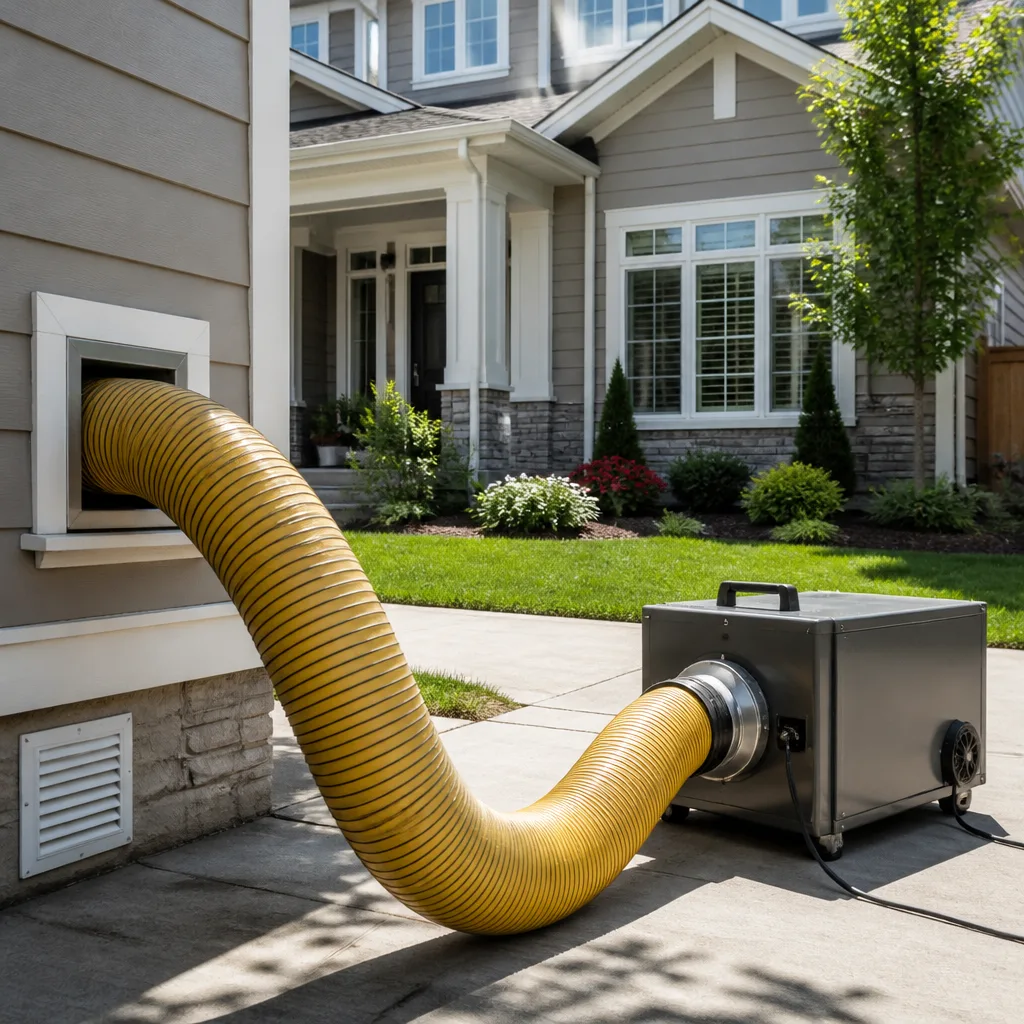
 Whole-home duct cleaning
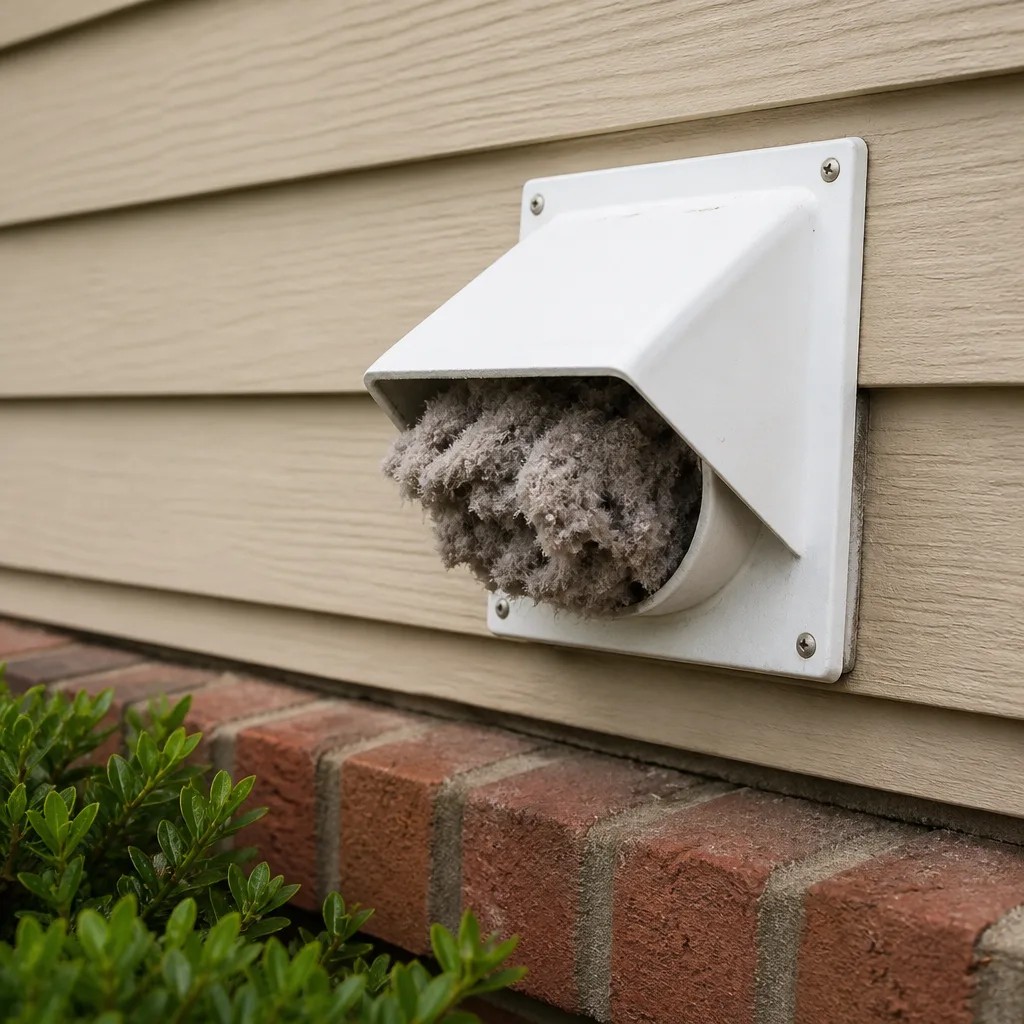 Dryer vent cleaning
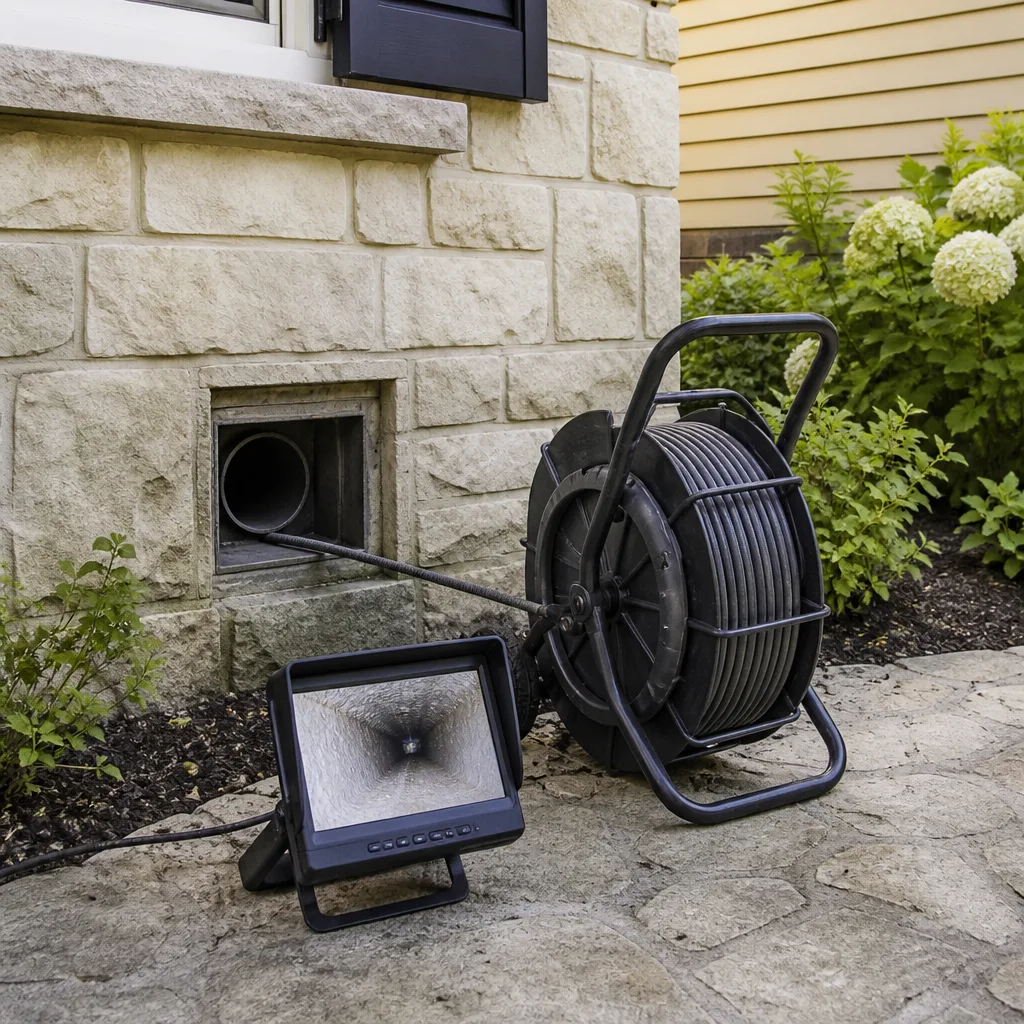 Camera inspection
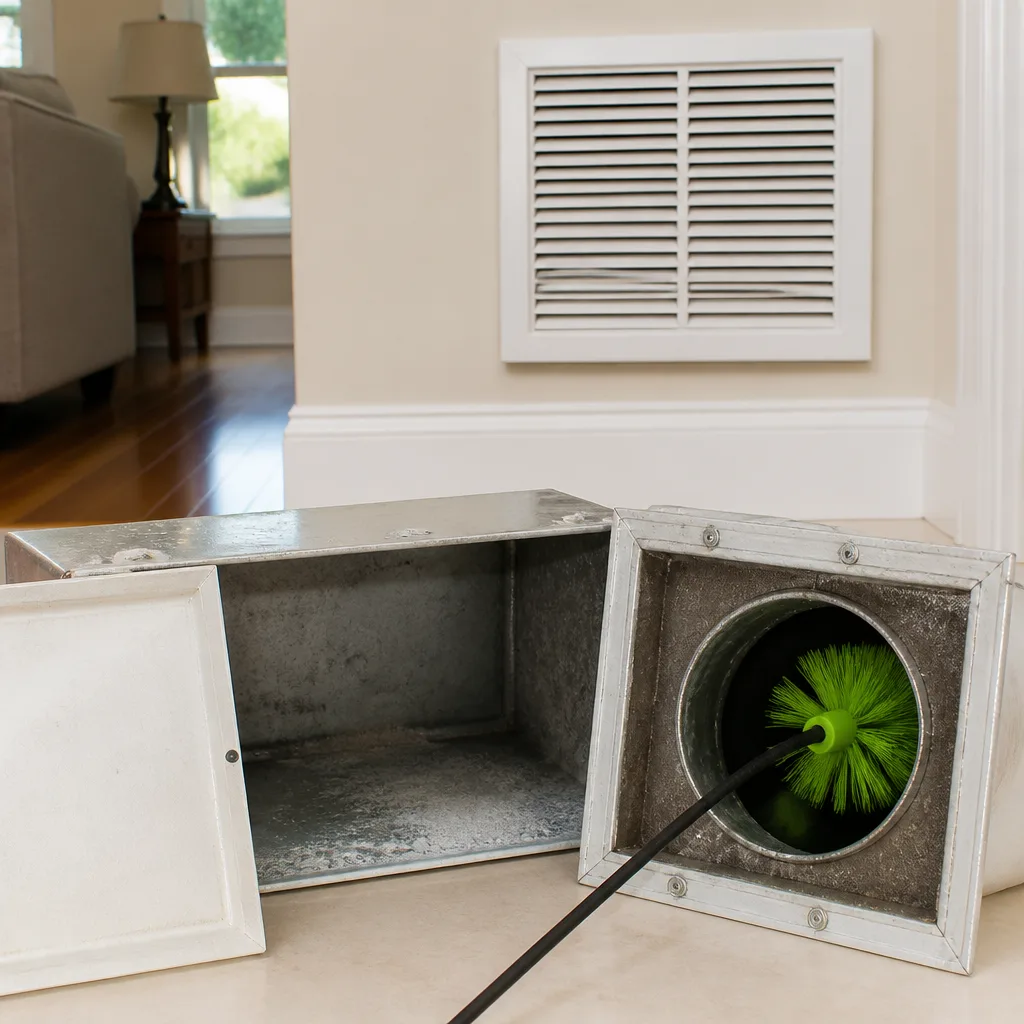 Sanitizing & deodorizing
Whole-system duct and dryer vent check with before-and-after photos - you see exactly what came out of your vents
That "$99 whole-house special" is a bait ad - the real number appears once they are in your hallway, or the "clean" is a shop-vac at the register. We photograph the inside of your ducts before and after instead.
Rotobrush Coil Cleaning: The San Antonio Owner’s Guide
Rotobrush coil cleaning in San Antonio typically runs $125 to $285 installed, and we stock the common replacement parts on our trucks so most jobs don’t need a follow-up visit. Owners usually discover they need this when the brush head stops spinning freely, the coil shaft wobbles, or debris starts clumping in the brush bristles instead of getting swept out by the vacuum. This is a wear item, not a defect: the coil assembly takes the brunt of every pass through a duct run, and San Antonio’s fine limestone dust shortens its life faster than most owners expect.
We’re an independent local service provider, not affiliated with Rotobrush, but we run their brush systems every day and keep the coil components in rotation. If you’re getting poor agitation or your tech says the coil is binding, here’s the full picture on matching it, pricing it, and getting it swapped without guessing.
Key Takeaways
- Rotobrush coil cleaning parts wear out from abrasion and heat; San Antonio attic temperatures accelerate the breakdown of the plastic-bearing surfaces.
- Compatibility depends on your Rotobrush shaft diameter and coil pitch, not just the model name.
- We always discuss an honest aftermarket equivalent when one exists, but we’ll tell you when OEM is the only option worth paying for.
- Installed cost includes the new coil, shaft inspection, and a run test to confirm the brush head spins true.
Which Rotobrush Models This Applies To
The coil cleaning assembly fits the Rotobrush air duct cleaning systems we service most often in San Antonio: the AiR+, the BrushBeast, and the older RotoStorm series. What trips people up is assuming the part is universal across those machines. It isn’t. The AiR+ uses a narrower coil shaft than the BrushBeast, and the RotoStorm’s coil pitch is slightly different, which means a coil that threads onto one machine may bind or strip on another.
The fastest way to identify what you have is to check the shaft collar near the brush head. Rotobrush stamps the shaft diameter there: 1/4 inch, 5/16 inch, or 3/8 inch are the three we see most. Once we know that measurement and the direction of the coil winding, we can match the part without the original box. For Rotobrush specifically, we lean OEM on the coil itself because the aftermarket copies we’ve tested run softer and lose their spring tension faster, especially after repeated passes through ducts caked with San Antonio’s hard water scale and construction debris. That said, some customers prefer a quality aftermarket equivalent when budget matters, and we’ll show both numbers before any work starts.
Styles & brands we work with
Signs Your Rotobrush Coil Cleaning Is Failing
- Brush head spins sluggishly or stops mid-run. A worn coil loses its ability to transfer torque from the shaft. The motor revs, but the bristles barely turn. That loss of agitation is the most common first sign.
- The coil shaft wobbles when flexed. If the coil has developed a flat spot or internal fracture, it won’t flex smoothly through bends. You’ll feel it chatter through the shaft, and that vibration usually precedes a full snap.
- Bristles clump instead of sweeping. When the coil can’t maintain tension, the brush head loses contact pressure against the duct wall. Debris collects in the bristles rather than getting pulled into the vacuum stream.
- Visible wear at the coil-to-shaft connection. San Antonio’s combination of fine dust and attic heat causes metal fatigue at the joint. If you see scoring, thinning, or rust bloom there, the part is on borrowed time.
- The vacuum stops capturing debris effectively. A failing coil means poor mechanical agitation, and agitation is what loosens the stuck-on debris for the Nikro vacuum to extract. If the duct still looks dirty after a pass, suspect the coil.
See the difference
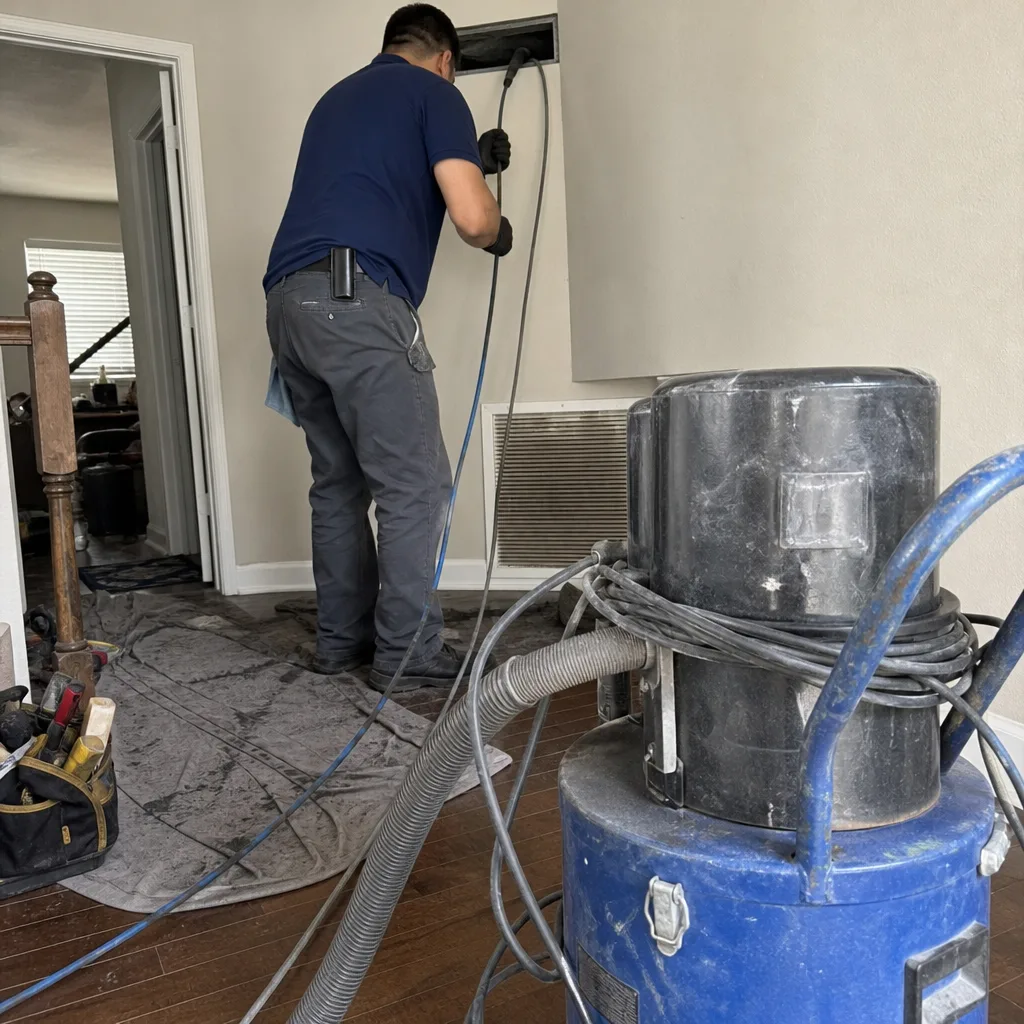 Before
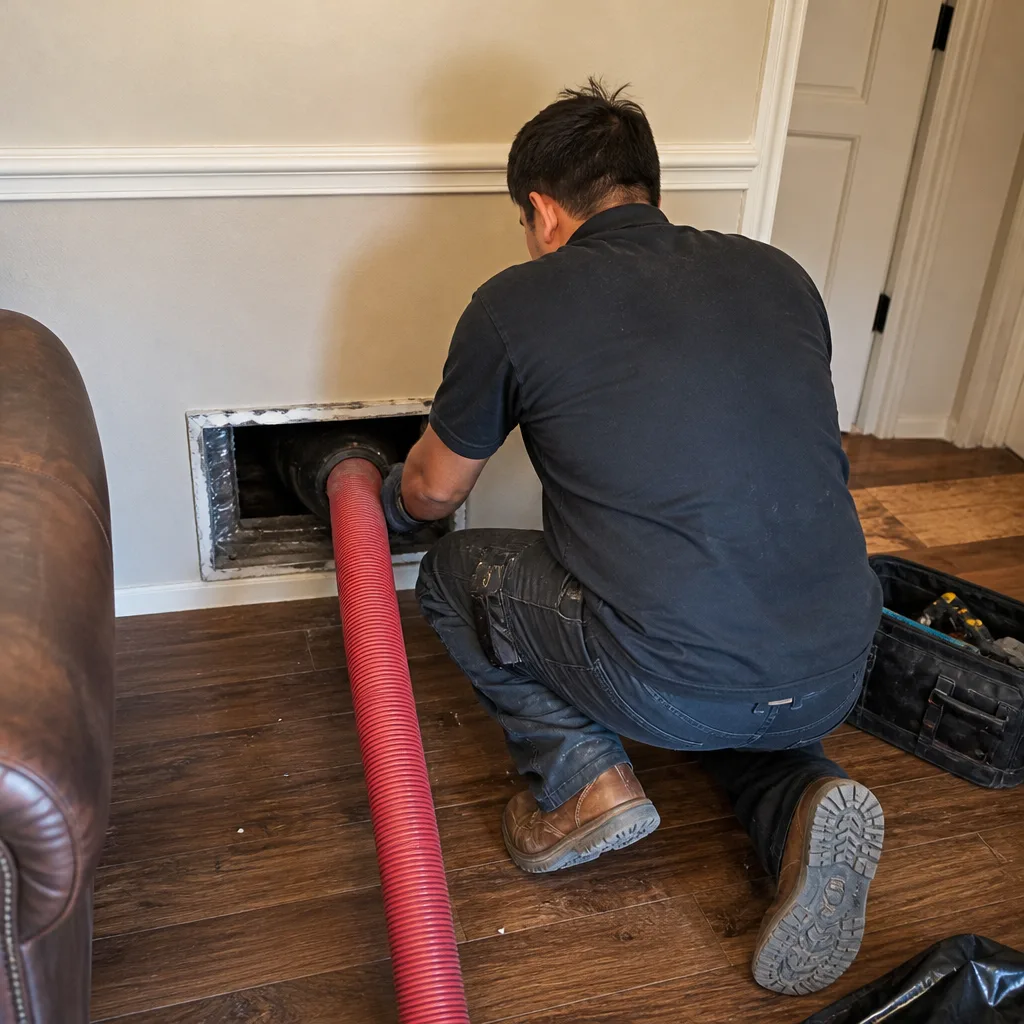 After
After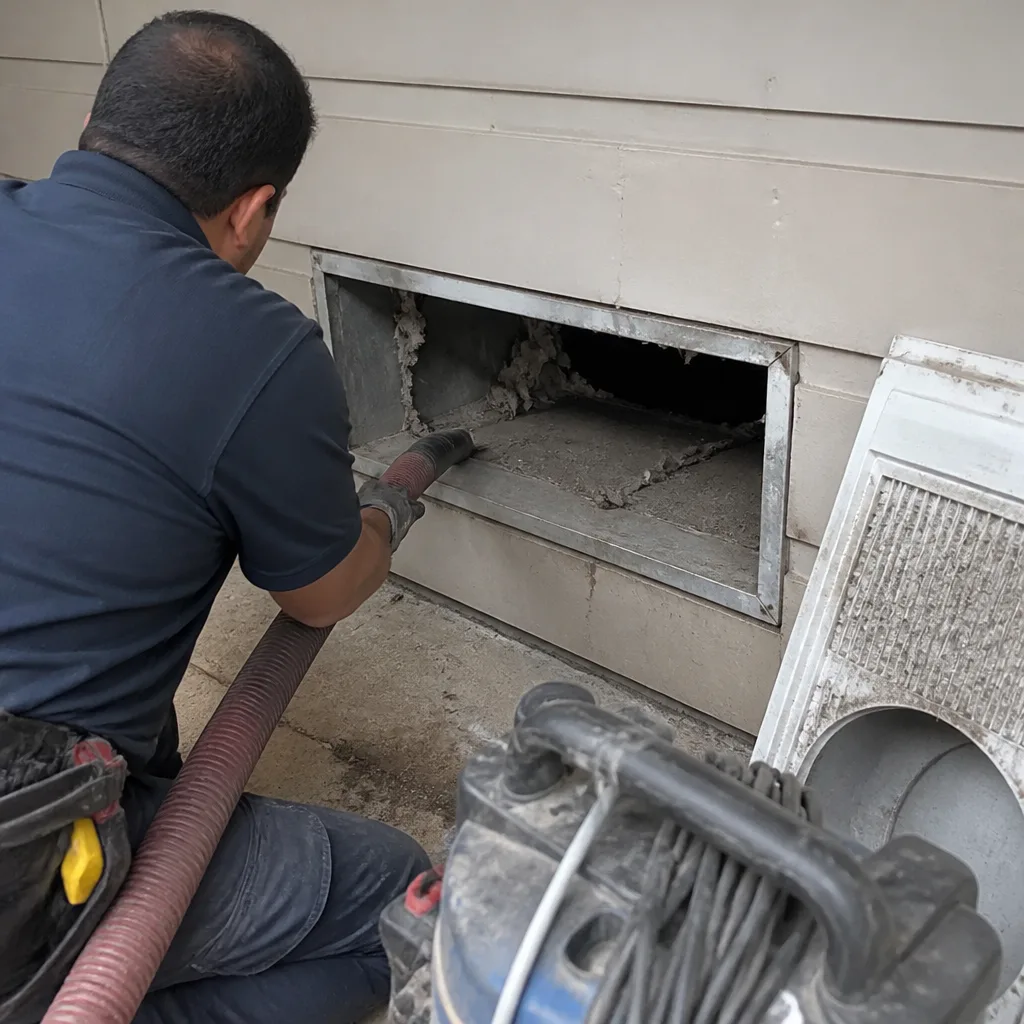 Before
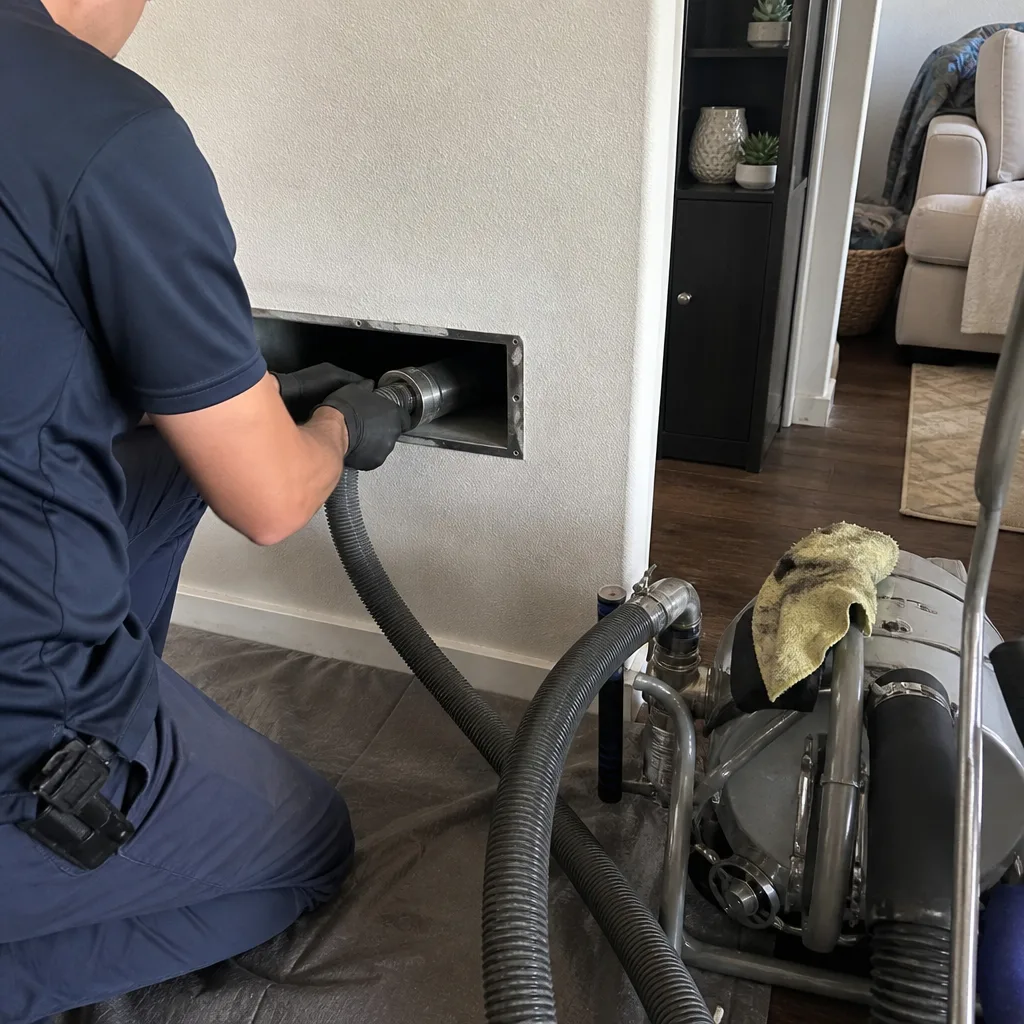 After
After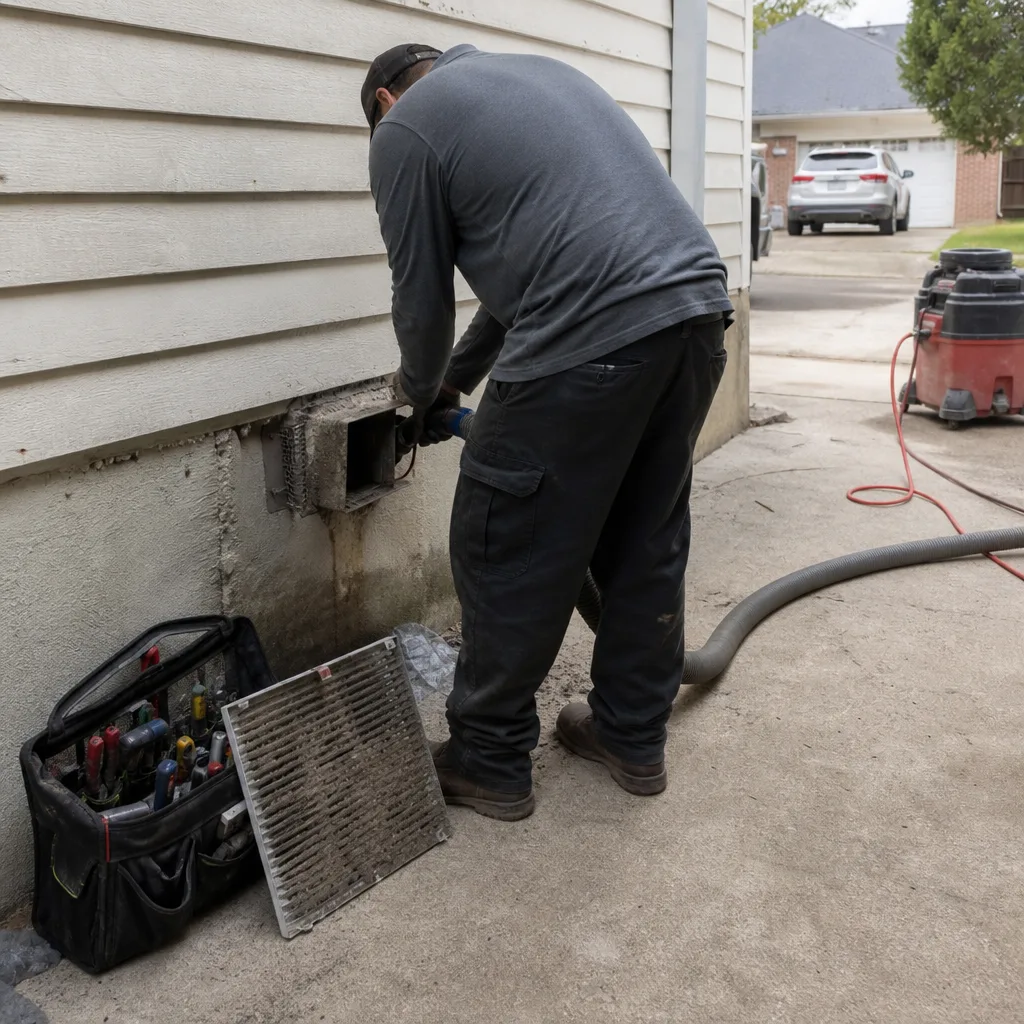 Before
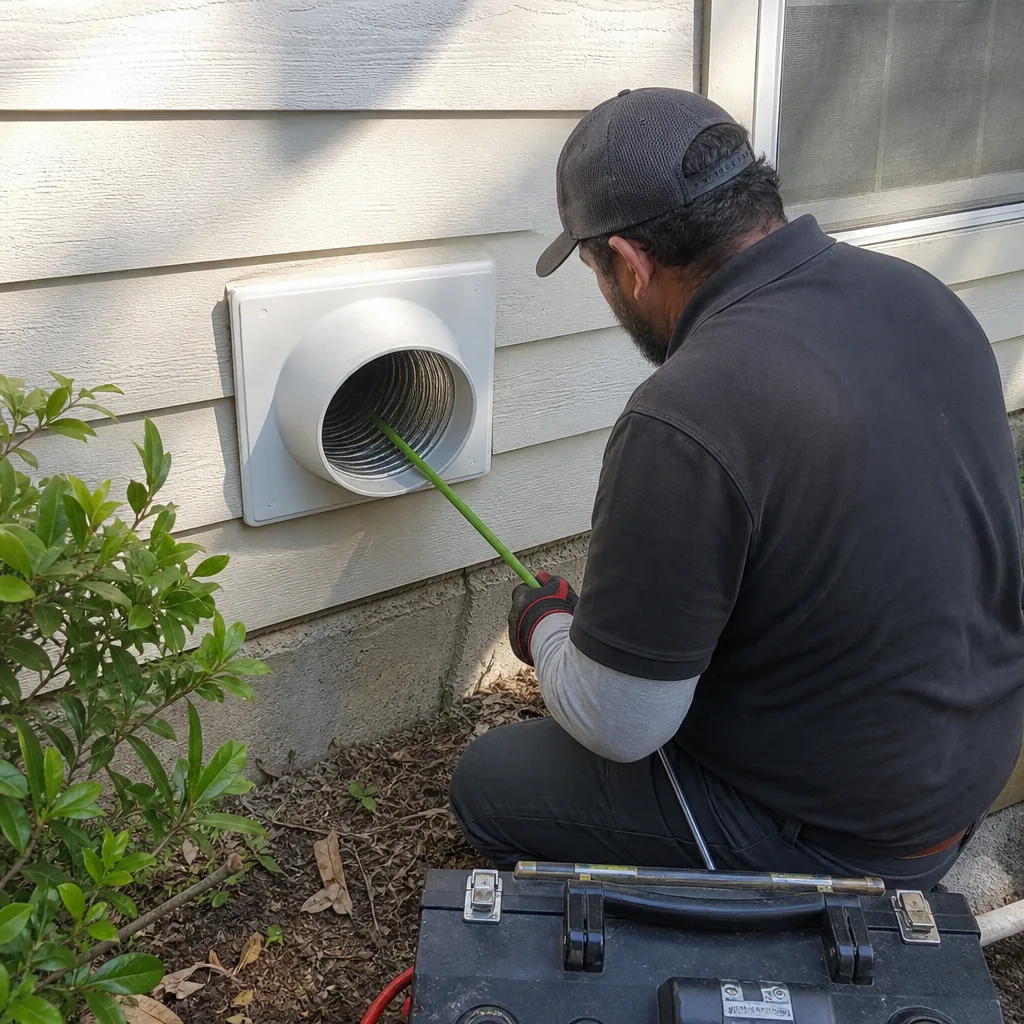 After
AfterReplacement Cost & What’s Included
For a Rotobrush coil cleaning replacement in San Antonio, expect $125 to $285 installed, with the range driven by which coil spec your machine needs and whether we’re also replacing the brush head at the same time. The part itself is $60 to $160, and labor is usually 45 minutes to an hour. We hand you a written price before any work starts, and that number does not change at the door. No bait pricing.
What is included with that price: the new coil, shaft inspection, brush head alignment check, and a test run with the vacuum system connected to confirm full agitation. Every repair carries our written guarantee and is covered by the 365-Day Done Right Promise. If this part fails within the year, we return and make it right at no charge. That is how we work in Alamo Heights, Stone Oak, and every other San Antonio neighborhood we serve.
DIY or Call Us?
What a careful owner can do at home is diagnose: check the shaft diameter stamp on the collar, look for visible scoring or flat spots at the connection point, and listen for the chatter that says the coil is flexing unevenly. What we’d caution against is trying to force a mismatched coil onto your Rotobrush shaft. The coil is pre-tensioned, and if the pitch is wrong, it can store energy and release unpredictably when you remove it. That’s a hand injury waiting to happen, and we’d rather save you the ER trip.
The practical reality is this: once a coil starts failing, no amount of WD-40 or repositioning fixes it. It needs replacing. If you’ve identified the shaft size and want a real quote matched to your machine, call us at (254) 347-3897. We’ll tell you over the phone whether we have your exact coil on the truck and what it will cost to install.
FAQs
In San Antonio’s climate, expect 18 to 36 months of regular use before a Rotobrush coil needs replacing. The combination of fine limestone dust, hard water mineral scale inside ducts, and attic temperatures that exceed 130°F in summer breaks down the coil’s internal tension faster than in cooler, less dusty cities. Regular lubrication and proper storage extend it toward the top of that range.
No, a worn or fractured Rotobrush coil cannot be safely repaired. The part is a single continuous spring-steel or composite helix, and once it develops a flat spot or begins to fracture, re-tensioning it only delays the snap by a job or two. Replacement is the only correct fix.
The swap takes 45 minutes to an hour, including the shaft inspection and test run. If we’re already at your San Antonio home for a duct cleaning and notice the coil failing, we can often replace it during the same appointment so you don’t need a second visit.
Yes, we stock the three most common Rotobrush shaft diameters and coil pitches on our trucks, so most San Antonio service calls are finished in one visit. If you have a less common spec, we’ll order it and schedule the install as soon as it arrives. Call (254) 347-3897 and our tech support person will verify what we have for your model.
Most of our fleet runs Rotobrush brush systems, Nikro HEPA vacuums, and Abatement Technologies containment units, so Rotobrush-specific parts are what we keep deepest in inventory. We can also source compatible components for Lennox, Trane, and Carrier air handler cleanings when the job calls for it.
Written by Omar Haddad, Owner, Cardinal Air Duct San Antonio, serving San Antonio and nearby areas.