
Last updated October 15, 2026
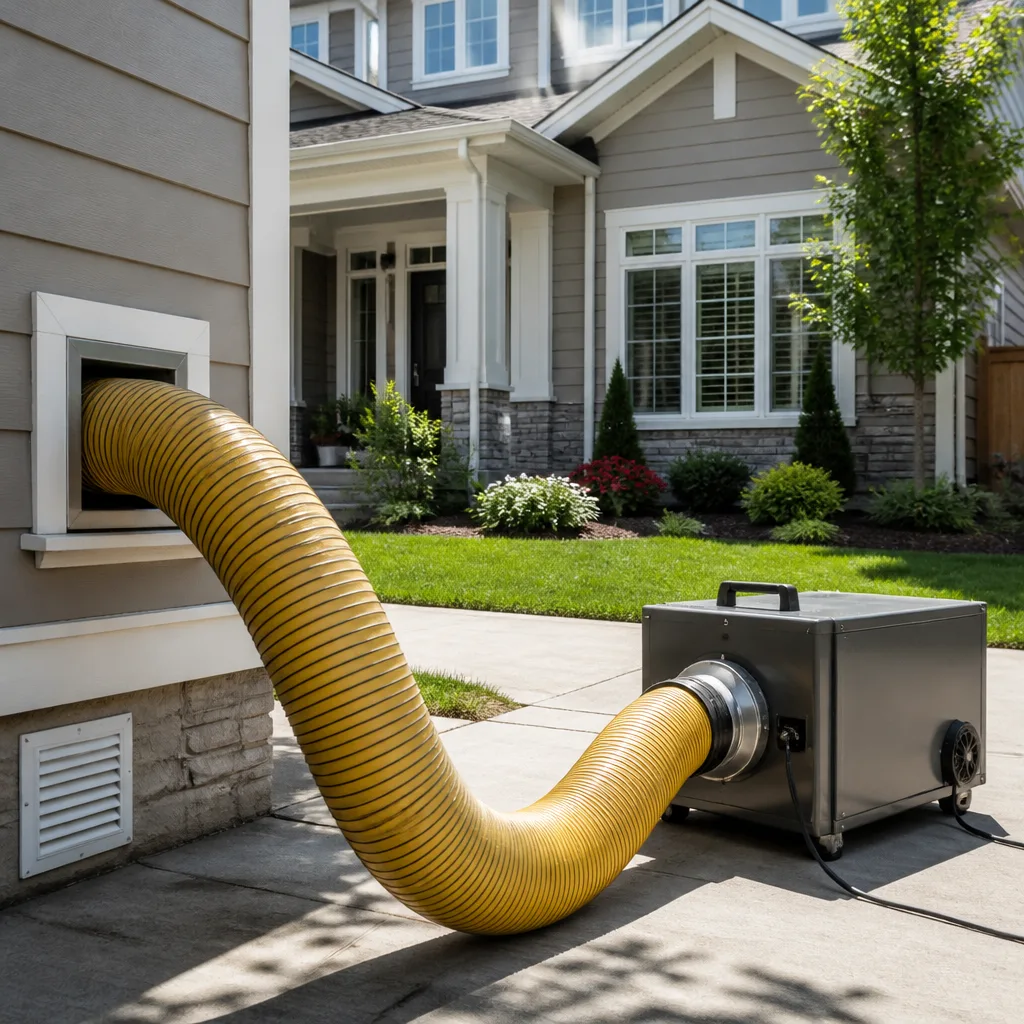 Whole-home duct cleaning
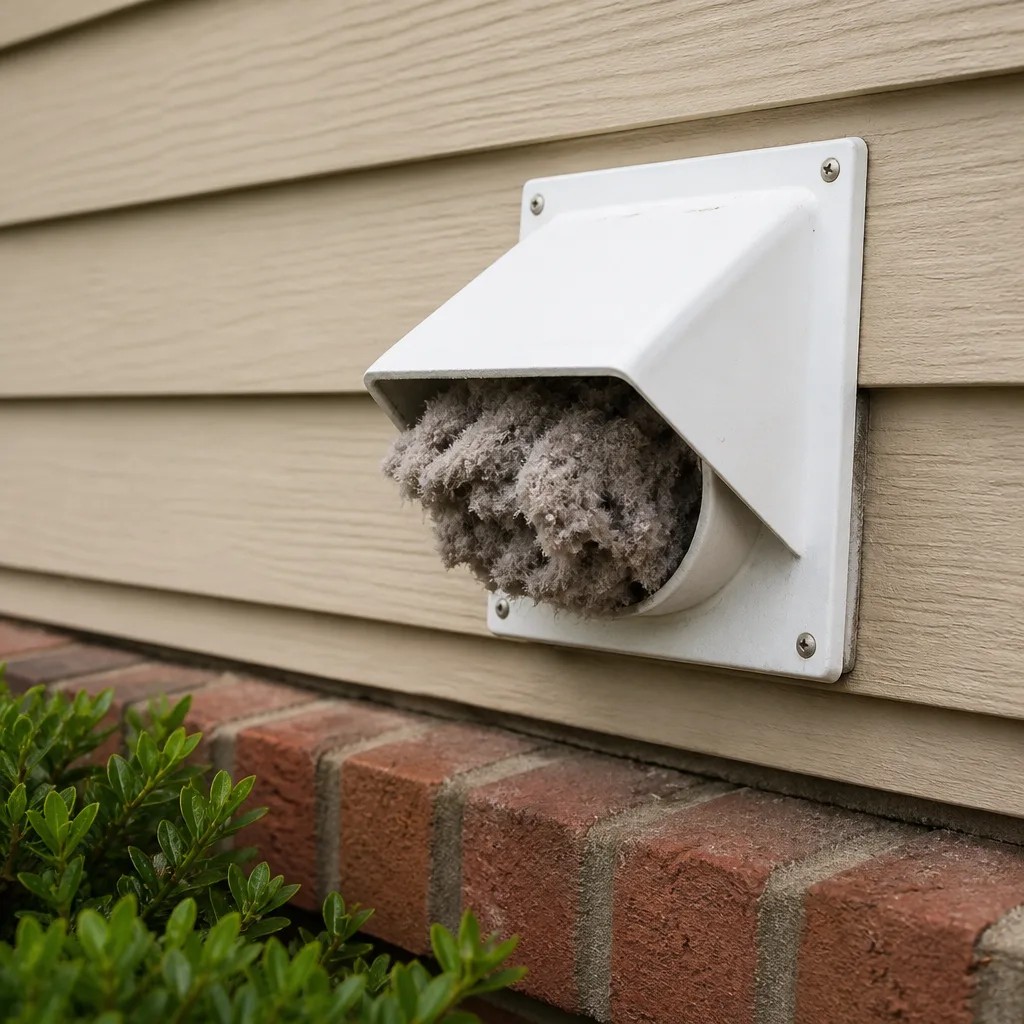 Dryer vent cleaning
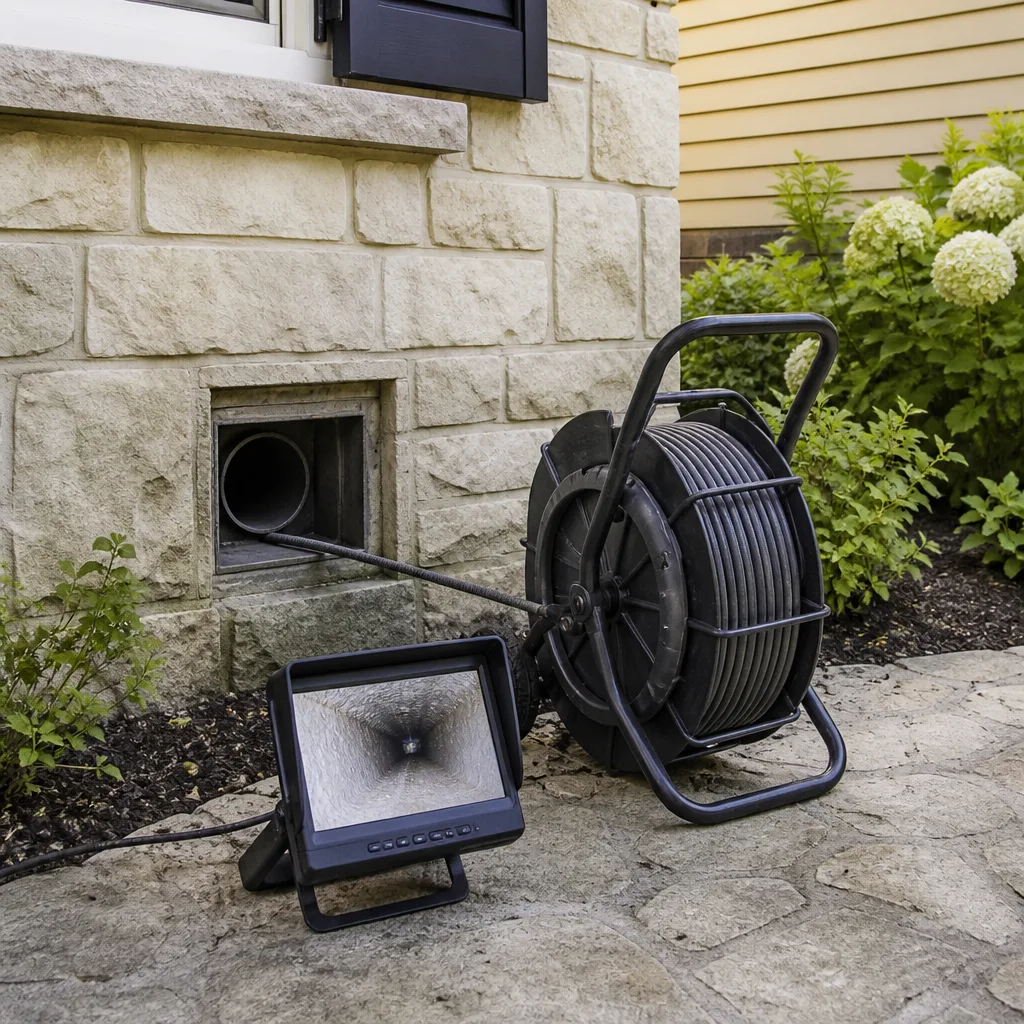 Camera inspection
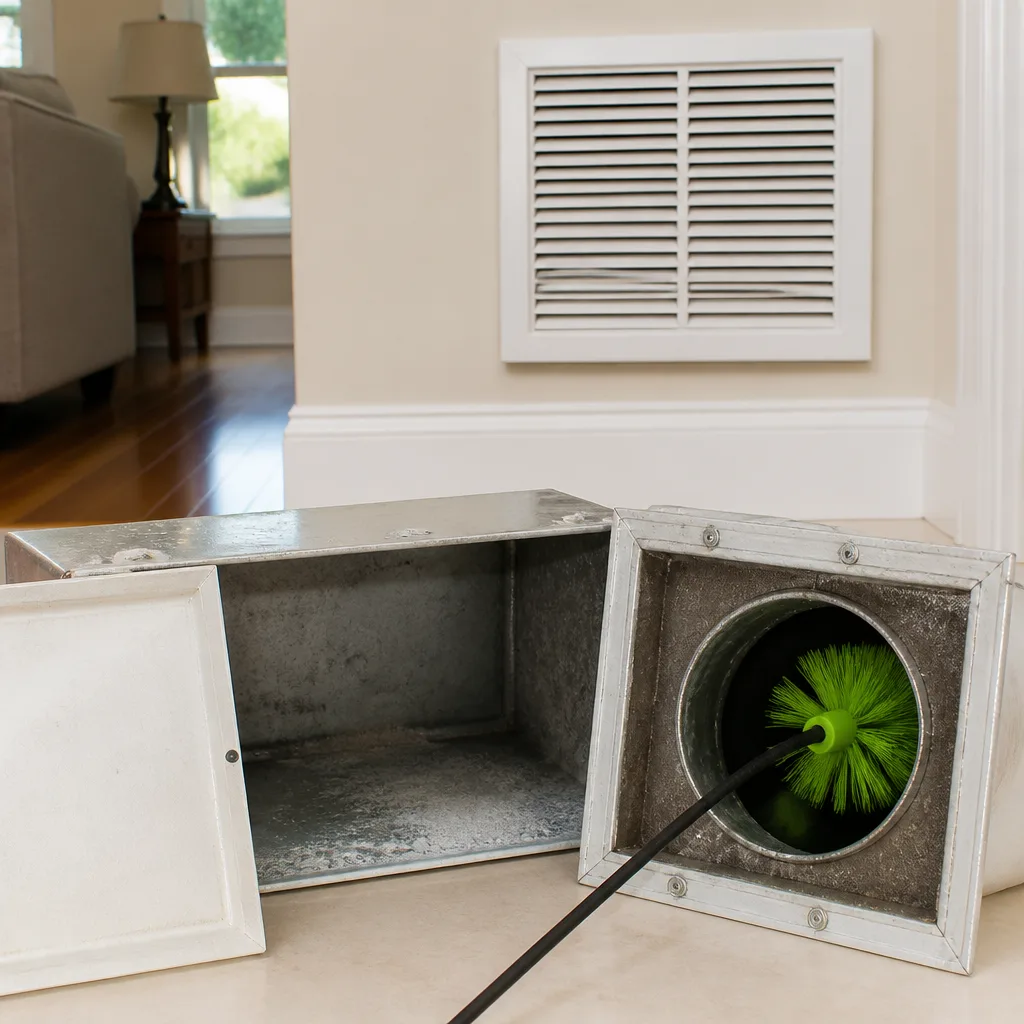 Sanitizing & deodorizing
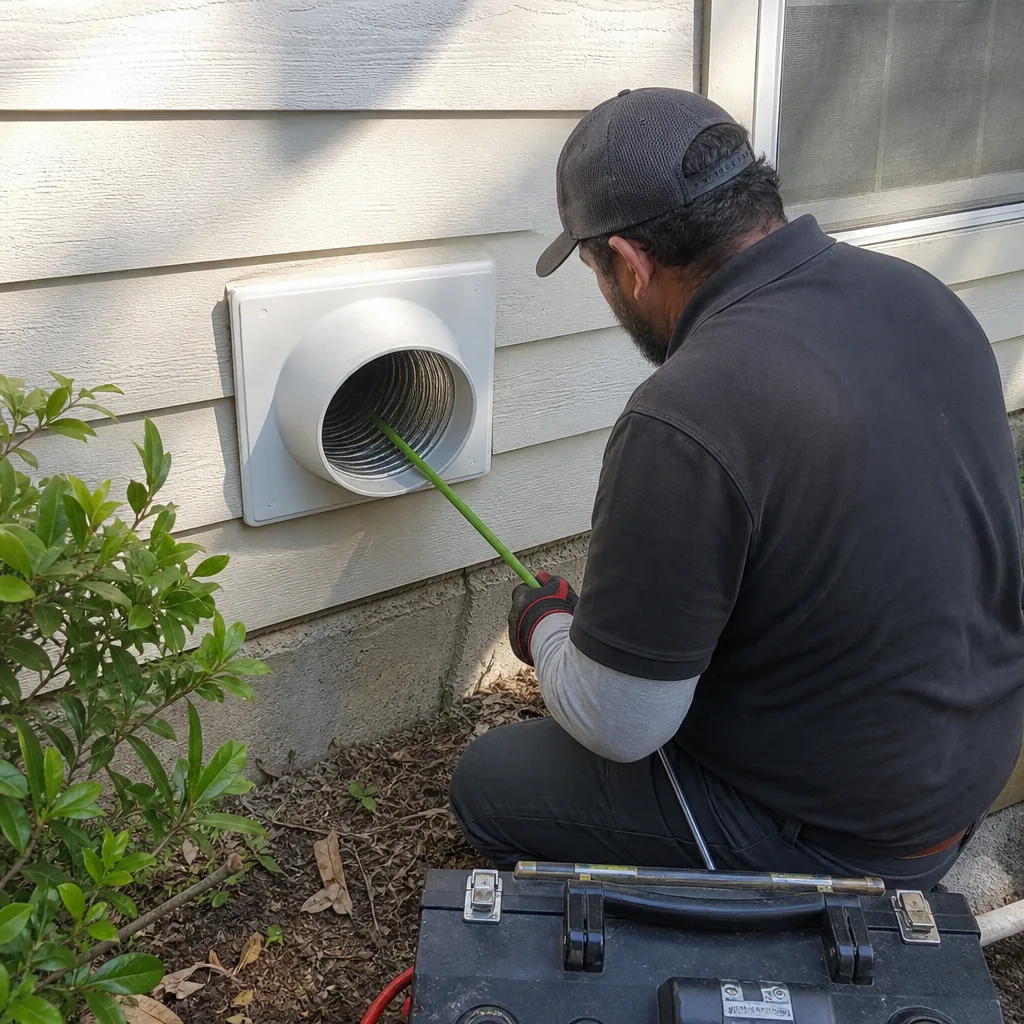
Whole-system duct and dryer vent check with before-and-after photos - you see exactly what came out of your vents
That "$99 whole-house special" is a bait ad - the real number appears once they are in your hallway, or the "clean" is a shop-vac at the register. We photograph the inside of your ducts before and after instead.
Air Duct Cleaning Permits, Codes & Inspections in TX: What You Need to Know
Here’s something that surprises most San Antonio homeowners when they start researching duct cleaning: Texas does not require a state license, permit, or inspection specifically for cleaning air ducts. None. You can legally hire a handyman, a moonlighting apartment maintenance tech, or a guy with a shop vac and a Craigslist ad to clean the ductwork in your home. But the moment that same person starts sealing duct joints, replacing a section of plenum, modifying airflow, or applying an antimicrobial coating, they cross into regulated territory that requires a TACL license, and in some San Antonio neighborhoods, a city permit. Most homeowners never learn where that line sits until something goes wrong. This guide walks you through exactly where permits and codes apply to duct work in Texas, where they don’t, and how to protect yourself either way. For The Complete Guide to Air Duct Cleaning in San Antonio and related resources, see our blog.
Quick Answer
Air duct cleaning itself requires no permit and no state license in Texas. However, any work that modifies, seals, replaces, or alters your HVAC system’s airflow – including duct encapsulation, duct sealing, component replacement, or antimicrobial coating – falls under TACL licensing rules enforced by the Texas Department of Licensing and Regulation. In San Antonio, structural modifications or system alterations in permitted spaces may also trigger City of San Antonio Development Services requirements. The practical takeaway: verify any contractor doing more than cleaning carries a current TACL license and proper general liability insurance.
Styles & brands we work with
Table of Contents
- The Texas License Landscape for Duct Work
- Where Permits Actually Kick In: The San Antonio Line
- TACL Explained: What That Number Means and How to Verify It
- Encapsulation and Antimicrobial Coatings: The Legal Gray Zone
- The Insurance Requirement That Matters More Than Any Permit
- San Antonio Code Context: Climate, Construction, and What It Means for Your Ducts
- Step-by-Step: Verify a Contractor Before You Book
- Common Mistakes to Avoid
The Texas License Landscape for Duct Work
Texas is a patchwork state when it comes to HVAC regulation. The state licenses air conditioning and refrigeration contractors through TDLR, but that license applies to installation, repair, and modification of HVAC systems, not to cleaning them. Cleaning is classified as maintenance, and maintenance does not require a license. In practical terms, a company can legally clean your air ducts in San Antonio with nothing more than a business registration, some equipment, and a willingness to do the work.
This surprises homeowners for good reason. Duct cleaning involves opening access points into your HVAC system, running brushes and vacuums through the entire duct network, and often drilling access holes into the plenum. That sure sounds like it should be regulated. But the TDLR’s position has remained consistent: if you are removing debris and returning the system to its prior condition, you are cleaning. If you alter the system in any way, you are contracting.
- Cleaning ducts, coils, blowers, and registers: no license required
- Sealing duct joints with mastic or tape: TACL license required
- Replacing a damaged duct section or boot: TACL license required
- Adding or relocating supply or return vents: TACL license required
- Applying duct sealant products like Aeroseal: TACL license required
- Installing a new filter housing or media cabinet: TACL license required
The line isn’t fuzzy to regulators. It’s fuzzy to consumers because many unlicensed duct cleaners blur it deliberately. A company that quotes you $400 for a cleaning and then recommends $1,200 in “duct sealing” while on site is now proposing regulated work without the license to perform it. That’s a red flag, and it’s one we hear about from San Antonio homeowners more often than you’d think.
Where Permits Actually Kick In: The San Antonio Line
The City of San Antonio does not issue permits for air duct cleaning. No inspection is required. No city official will show up to check the work. That part is simple. The complexity arrives when duct work intersects with structural changes to your home. Any time a contractor cuts into a wall, ceiling, or floor to access or replace ductwork, that penetration can trigger building permit requirements through the City of San Antonio Development Services Department.
Here’s a concrete example. A homeowner in Alamo Heights wants to relocate a supply register from a floor location to a wall location. That requires opening the wall, extending the duct run, and potentially modifying the framing. The framing and drywall work alone would likely need a permit. The duct modification itself falls under the HVAC contractor’s TACL obligations, and the overall project may need a city permit because it alters the building envelope. A reputable contractor in San Antonio will pull the permit or tell you exactly where the line is. A less scrupulous one will tell you “it’s just duct work” and move ahead.
- Cleaning only: no city permit, no inspection
- Replacing an existing register in the same location: generally no permit, but TACL applies
- Moving, adding, or deleting vents: TACL plus potential city permit if structural changes are needed
- Replacing rigid duct with flexible duct in a remodel: TACL plus any remodel permits already in effect
- Cutting access panels into drywall for duct repair: generally no permit, but the duct repair itself is TACL territory
If you’re planning a remodel in areas like Stone Oak, Terrell Hills, or downtown San Antonio, and the scope includes duct changes, assume permits and licensed contractors are part of the equation. The city’s permitting requirements are not aggressive for small maintenance jobs, but they are absolute for structural modifications. When in doubt, ask the contractor to show you the permit. If they can’t, slow down.
TACL Explained: What That Number Means and How to Verify It
TACL stands for Texas Air Conditioning and Refrigeration Contractor License. It is issued by the Texas Department of Licensing and Regulation. A contractor holding a TACL license has passed state-mandated exams, met continuing education requirements, and carries the insurance the state requires. The license number itself looks like this: TACLB followed by five or six digits. Companies may display it on vehicles, estimates, invoices, or their website.
Verifying a TACL number takes less than a minute. Here’s the exact process:
- Go to the TDLR website at tdlr.texas.gov and click “License Data Search” or “Verify a License” in the header
- Select “Air Conditioning and Refrigeration Contractors” from the license type dropdown
- Enter the TACL number or the company name exactly as the contractor gave it to you
- Review the license status. It should read “Active” with an expiration date in the future
- Check that the company name on the license matches the company name on your estimate
- Note any disciplinary actions or complaints listed on the license record
Most legitimate San Antonio HVAC and duct companies have a TACL license because they do more than cleaning. They install, repair, and modify systems, so they carry the license. A duct-cleaning-only company may legitimately hold no TACL license because their scope never crosses into regulated work. That’s not automatically a problem. The problem is when a no-license company starts recommending TACL-regulated services like sealing, modifications, or component replacement. At that point, they are asking you to trust them with work the state says they are not qualified to perform.
Encapsulation and Antimicrobial Coatings: The Legal Gray Zone
This is where the duct cleaning industry gets genuinely murky, and where San Antonio homeowners need to pay the closest attention. Encapsulation means spraying a sealant or liner inside the ductwork to contain debris, prevent fiberglass shedding, or “seal” the ducts from the inside. Antimicrobial coating means applying a product that kills or inhibits mold and bacteria growth inside the ducts. Both services sound like cleaning-adjacent work. Legally, they are not.
Here’s why. Encapsulation changes the interior surface of your ductwork. It seals, it coats, it alters the airflow characteristics of the system. That’s modification, and the TDLR treats it that way. Applying an encapsulant requires a TACL license because the contractor is no longer restoring the system to its prior condition; they are changing it. The same logic applies to antimicrobial coatings. The EPA registers antimicrobial products for specific uses, and applying those products inside a functioning HVAC system requires understanding of airflow, dwell times, off-gassing, and material compatibility. That’s the knowledge set a TACL exam tests.
Some duct cleaners blur this line because encapsulation and antimicrobial services carry high margins. A $500 cleaning can become a $2,500 “full system sanitization and encapsulation” with a few persuasive sentences. The contractor may describe the coating as “just part of the cleaning process” or “a standard treatment we include.” It is not. It is a regulated activity that changes the physical condition of your ductwork.
If you’re considering encapsulation or antimicrobial treatment in San Antonio, ask two questions before you agree: first, is the contractor TACL-licensed, and second, will they provide the EPA registration number for the product they plan to apply. Legitimate operators can answer both immediately. If they can’t, walk away. At Cardinal Air Duct San Antonio, our Air Duct Cleaning services focus strictly on cleaning systems, and we tell you plainly when something needs a licensed HVAC contractor. That’s the line, and we don’t cross it.
The Insurance Requirement That Matters More Than Any Permit
Here’s the uncomfortable truth about duct cleaning: the insurance your cleaner carries matters more than any permit because no permit will ever be pulled for a standard cleaning. The risks of duct cleaning are real. A rotating brush snags a loose duct joint and tears it open. A vacuum hose knocks a register boot out of alignment. A technician missteps in an attic and puts a foot through the ceiling. In each case, the question isn’t whether a permit covered the work. The question is whether the contractor’s insurance covers the damage.
Minimum general liability coverage for a duct cleaning company should be $500,000 per occurrence. That is the floor. Anything less, and a single attic mishap could exceed the policy limit and leave you fighting for reimbursement. The right way to verify coverage is to ask for a certificate of insurance before work starts. This is a one-page document issued by the insurance carrier listing the policy holder, policy number, coverage limits, and effective dates. You request it, the contractor emails it, and you read it in 60 seconds.
- What to ask for: certificate of insurance naming the contractor as the policy holder
- What to check: general liability limit of at least $500,000 per occurrence, policy dates covering your service date
- What to confirm: the business name on the certificate matches the business name on your estimate
- What to reject: any contractor who hesitates, deflects, or says insurance “isn’t really needed for cleaning”
Our technicians carry full documentation of insurance on every job, and we’re happy to provide a certificate before we ever step into your home. That’s not a brag; it’s the standard every San Antonio homeowner should expect from every company they let into their attic.
San Antonio Code Context: Climate, Construction, and What It Means for Your Ducts
San Antonio’s climate shapes how ductwork fails and what code compliance means in practice. Our summers are brutal, with 100-degree days stretching from June into September. That heat drives air conditioners hard, and it drives dust, pollen, and debris into return air streams. Homes built in the 1970s and 1980s, which make up much of the housing stock in areas like Inwood, Hidden Forest, and El Dorado, often have poorly sealed duct systems that leak 20 percent or more of conditioned air into attics. The leaks aren’t a permit issue. They’re an efficiency issue, and fixing them crosses into TACL territory.
San Antonio also sits in a humid subtropical zone. Spring and fall bring humidity spikes that create condensation inside uninsulated ductwork. That condensation collects dust and creates the conditions for mold growth in ducts. Cleaning removes the debris. Treating the mold with an antimicrobial product is regulated work. Sealing the duct to prevent condensation is regulated work. Installing insulation wrap on existing ducts is regulated work. The distinction matters because every one of those services is pitched regularly to San Antonio homeowners, often by companies that hold no TACL license.
Modern building codes adopted by San Antonio, including the International Mechanical Code and the International Energy Conservation Code, set standards for duct construction, sealing, and insulation in new construction and major remodels. Existing homes are generally grandfathered in unless you modify the system. That means you can clean the old fiberglass ductboard in your 1978 house with no permit, no code compliance check, and no inspection. But if you replace that fiberglass ductboard with new insulated flex duct, the replacement work must meet current code, and the contractor doing it must hold a TACL license. Understanding this boundary is the single most useful piece of code knowledge a San Antonio homeowner can have.
Step-by-Step: Verify a Contractor Before You Book
You don’t need to become a code expert to protect yourself. You need a 10-minute verification routine that you run before booking any duct work in San Antonio. Here’s the process we recommend, and it’s the same process we’d want a friend or family member to use before hiring us. You’ll find more guides & resources on our blog.
- Ask what exactly the job includes. Cleaning only, or cleaning plus sealing, coating, repair, or modification? The answer determines everything else. If the scope includes anything beyond cleaning, move to step 2.
- Request the TACL license number. If the job includes sealing, modification, encapsulation, antimicrobial treatment, or component replacement, the contractor must hold a current TACL license. Get the number in writing on the estimate.
- Verify the TACL number on the TDLR website. Follow the steps in the TACL section above. Confirm the license is active and the business name matches. This takes under 60 seconds.
- Request a certificate of insurance. Ask for general liability coverage with at least $500,000 per occurrence. The certificate should list the same business name as the estimate and the TACL record.
- Ask about access holes. Standard duct cleaning may involve drilling small access holes into the plenum or trunk line. Ask the contractor how they create access, how they seal the holes afterward, and whether that sealing is included in the quoted price.
- Get the written price before work starts. Every Cardinal Air Duct San Antonio job includes a written price handed to you before a single duct is touched, and it does not change at the door. If a contractor won’t commit to a written price, that’s the end of the conversation.
Run this routine once and you’ll filter out most of the problem contractors in the San Antonio market before they ever set foot in your home.
Common Mistakes to Avoid
- Assuming a permit is required for cleaning. It isn’t. Homeowners who assume permits are needed sometimes overpay for “permit processing” fees from companies that never actually pull a permit. Ask what the fee covers and get it in writing.
- Assuming no permit means no regulation. Cleaning doesn’t need a permit, but sealing, modification, and coating do fall under TACL rules. Don’t let a contractor use the “no permit needed” argument to convince you that no rules apply at all.
- Accepting a verbal TACL number. Get the number on the written estimate and verify it on the TDLR site. Verbal numbers are meaningless. We’ve seen San Antonio homeowners told a number that belonged to a different company entirely.
- Skipping the certificate of insurance. This is the most common skip and the most painful when something goes wrong. Request it, read it, and confirm the coverage is current. It takes one email.
- Rolling a cleaning into a sold “sealing” upsell. If the technician arrives for a cleaning and starts recommending sealing or encapsulation, slow down. That’s regulated work, and the tech in your home may not be licensed to perform it. Ask for the TACL number on the spot.
- Ignoring what happens to access holes. Some cleaners drill access holes and slap a piece of foil tape over them. The holes should be sealed with permanent caps or patches, and the sealing method should be specified in the quote. Ask before the drill comes out.
- Not checking the business name carefully. The estimate, the insurance certificate, and the TACL record should all show the same business name. Similar names are a tactic, not a coincidence. Read carefully.
See the difference
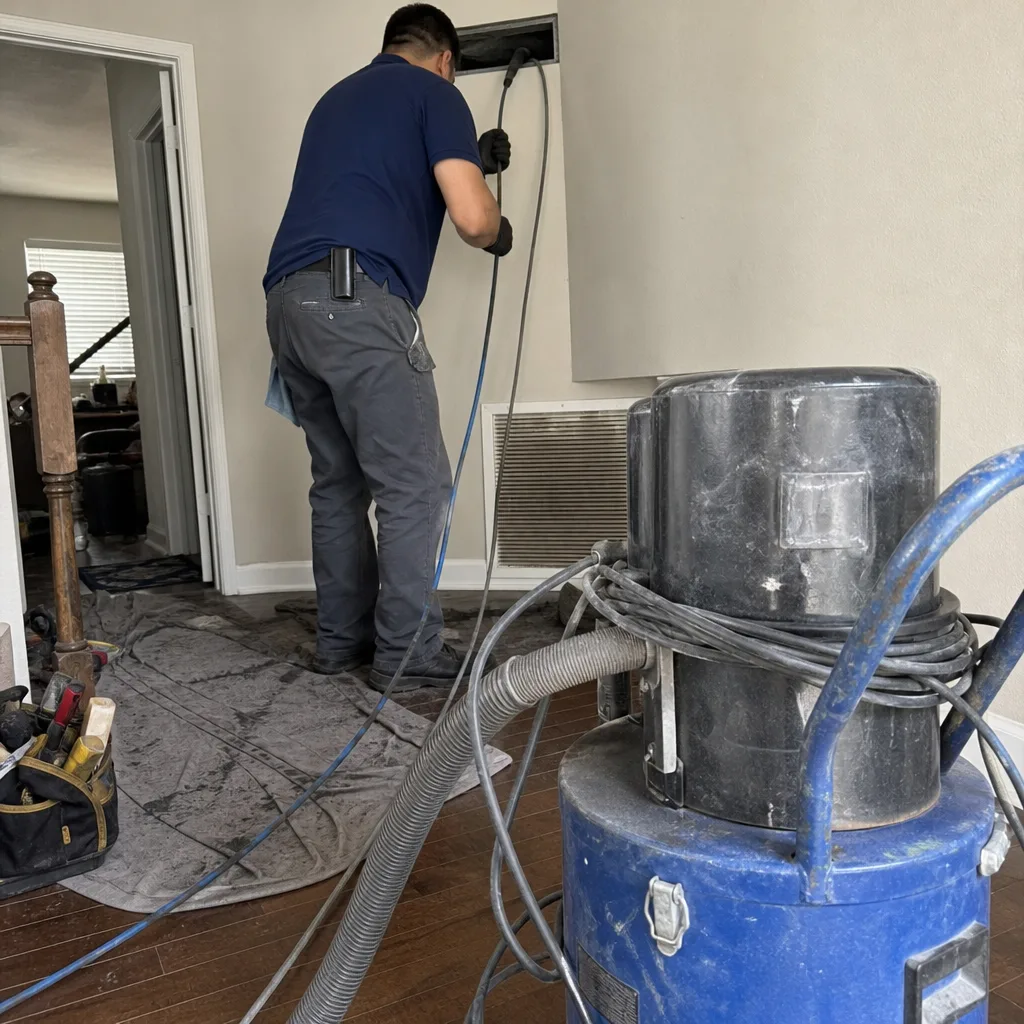 Before
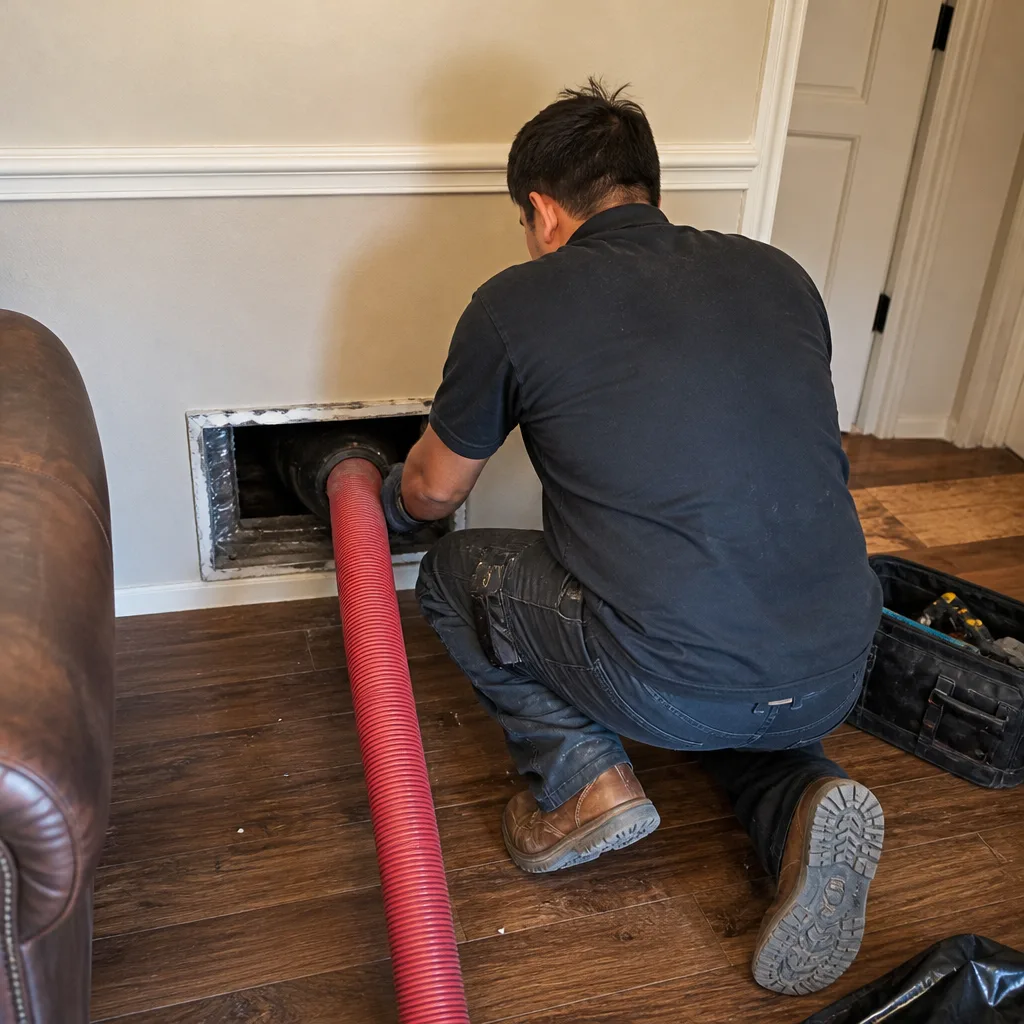 After
After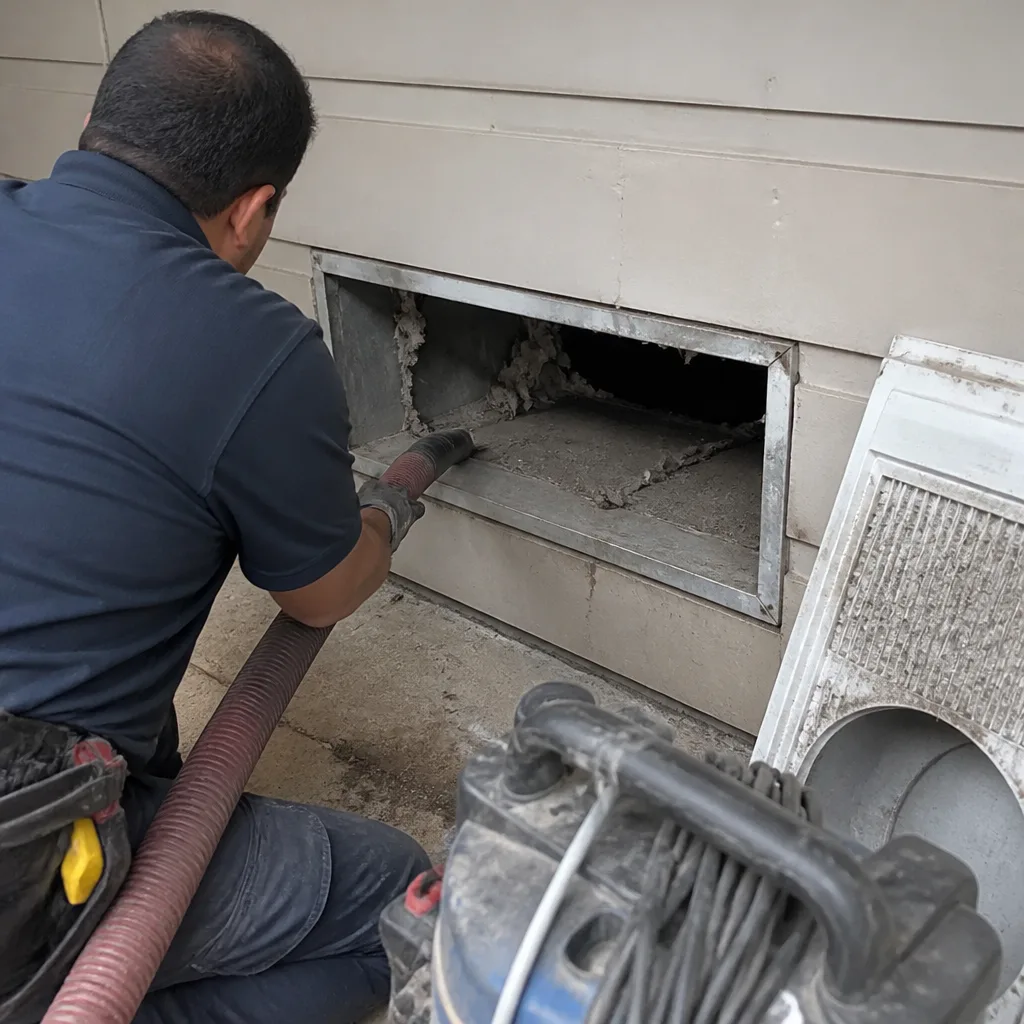 Before
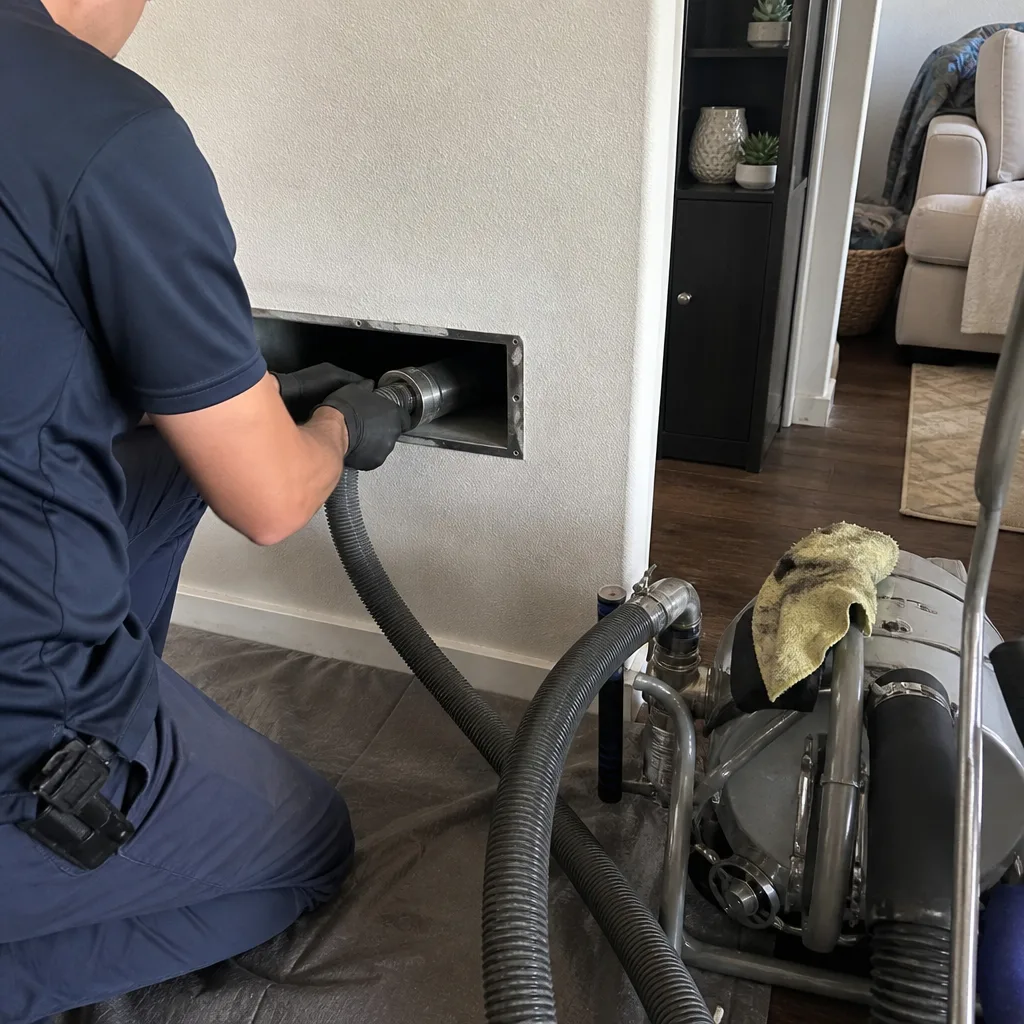 After
After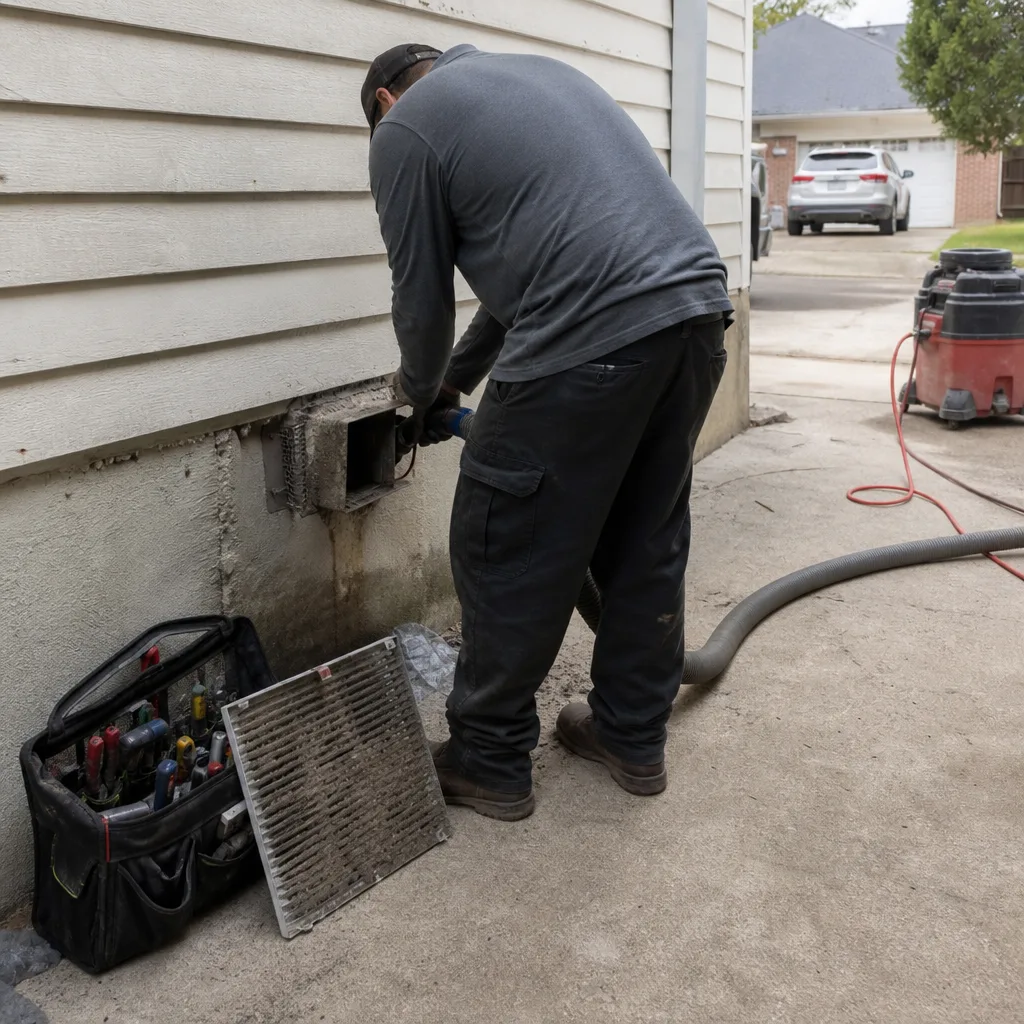 Before
 After
AfterWhen to Call a Professional
If you’ve had your ducts cleaned in San Antonio and you can still see dust blowing from your registers, if your energy bills have crept up despite regular filter changes, or if you’ve discovered mold or vermin activity inside your ductwork, it’s time to bring in a company that treats cleaning as what it is: a real technical service, not a side hustle. We run professional-grade equipment from Rotobrush and Nikro, including HEPA-rated vacuum extraction systems that capture debris at the source rather than recirculating it through your home. The Air Duct Cleaning in San Antonio service we provide includes before-and-after photos of your own ducts, so you can see exactly what changed. If you’re not sure whether your ducts need cleaning or just need an honest assessment, Cardinal Air Duct San Antonio offers free estimates in San Antonio. Call (254) 347-3897.
Frequently Asked Questions
No. Texas does not require a permit, inspection, or state license for air duct cleaning itself. Cleaning is classified as maintenance, and the TDLR does not regulate maintenance work. Any service beyond cleaning, such as sealing, modification, or component replacement, does require a TACL license.
Any business can legally clean air ducts in San Antonio as long as the work stays within cleaning scope. There is no local San Antonio permit requirement and no city inspection. However, the company should carry general liability insurance of at least $500,000 per occurrence and should provide that proof before work starts.
Go to the TDLR website, select the license search, enter the TACL number or business name, and confirm the license status is active. Check that the business name on the license matches the name on your estimate, and note any disciplinary actions listed on the record.
Yes. Sealing duct joints, applying duct sealant products, or encapsulating the interior of ducts changes the physical condition of the HVAC system and falls under TACL regulations. A contractor performing sealing work in Texas must hold a current TACL license.
Yes. Applying antimicrobial coatings inside a functioning HVAC system is treated as modification, not cleaning. The contractor must hold a TACL license, and the product being applied should carry a current EPA registration number. Ask for both before agreeing to the service.
Most standard air duct cleanings in San Antonio run $400 to $800 for a typical single-family home, depending on square footage, number of returns, and accessibility. HVAC Cleaning in San Antonio that includes coils and blower adds $150 to $300 more. If a quote falls well below $300 for a whole-home cleaning, ask hard questions about equipment and scope. Call (254) 347-3897 for an exact quote – estimates are free and the written price never changes at the door.
The Bottom Line
Air duct cleaning in Texas sits in a regulatory gap: no permit, no license, and no inspection are required for cleaning alone, but the gap closes the moment a contractor modifies your system. Sealing, encapsulation, coating, component replacement, and airflow changes all require a TACL license, and in San Antonio, structural modifications may pull in city permitting requirements too. Verify the TACL number on the TDLR website, request a certificate of insurance before work starts, and insist on a written price that doesn’t move. If the contractor can’t meet those three standards, keep looking. The good news is that San Antonio has honest, professional duct cleaners who will. You just have to know how to tell the difference.
Written by Omar Haddad, Owner at Cardinal Air Duct San Antonio, serving San Antonio since 2005.