
Last updated October 15, 2026
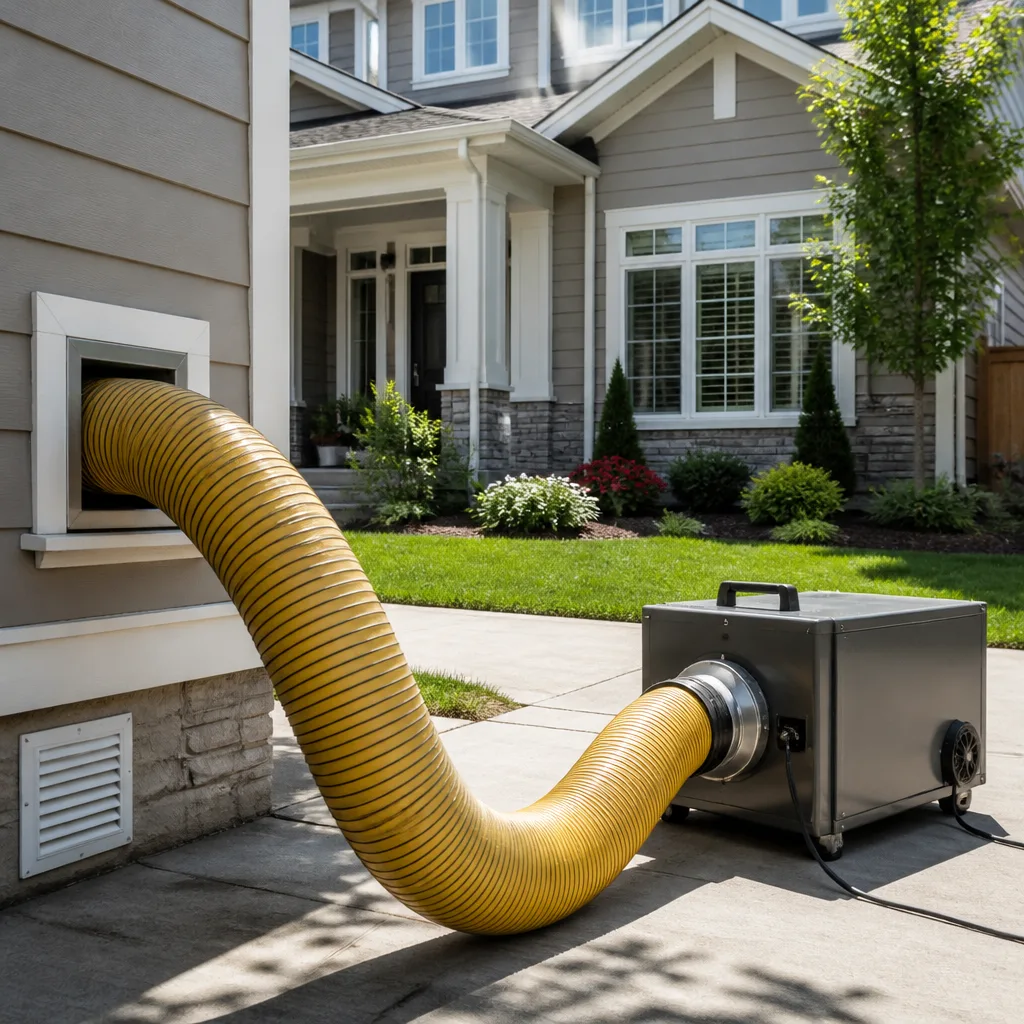 Whole-home duct cleaning
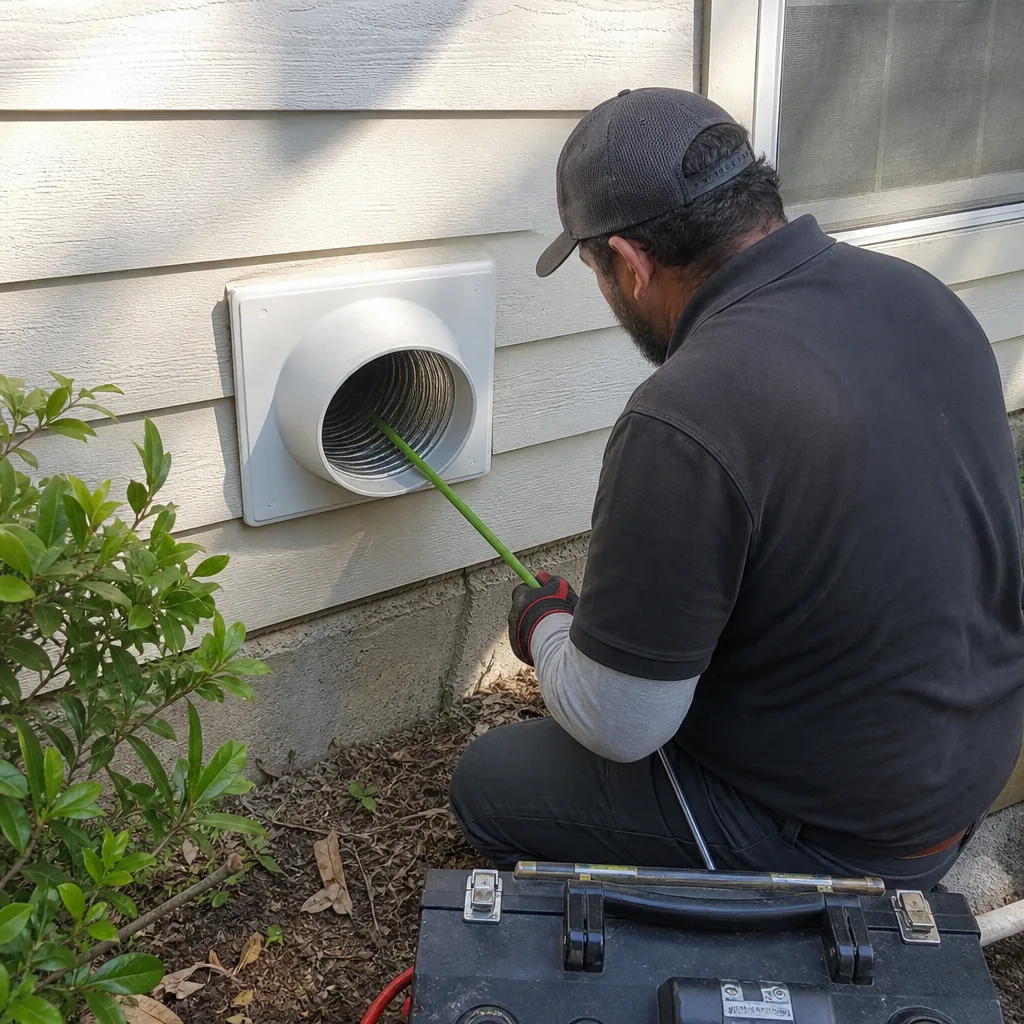
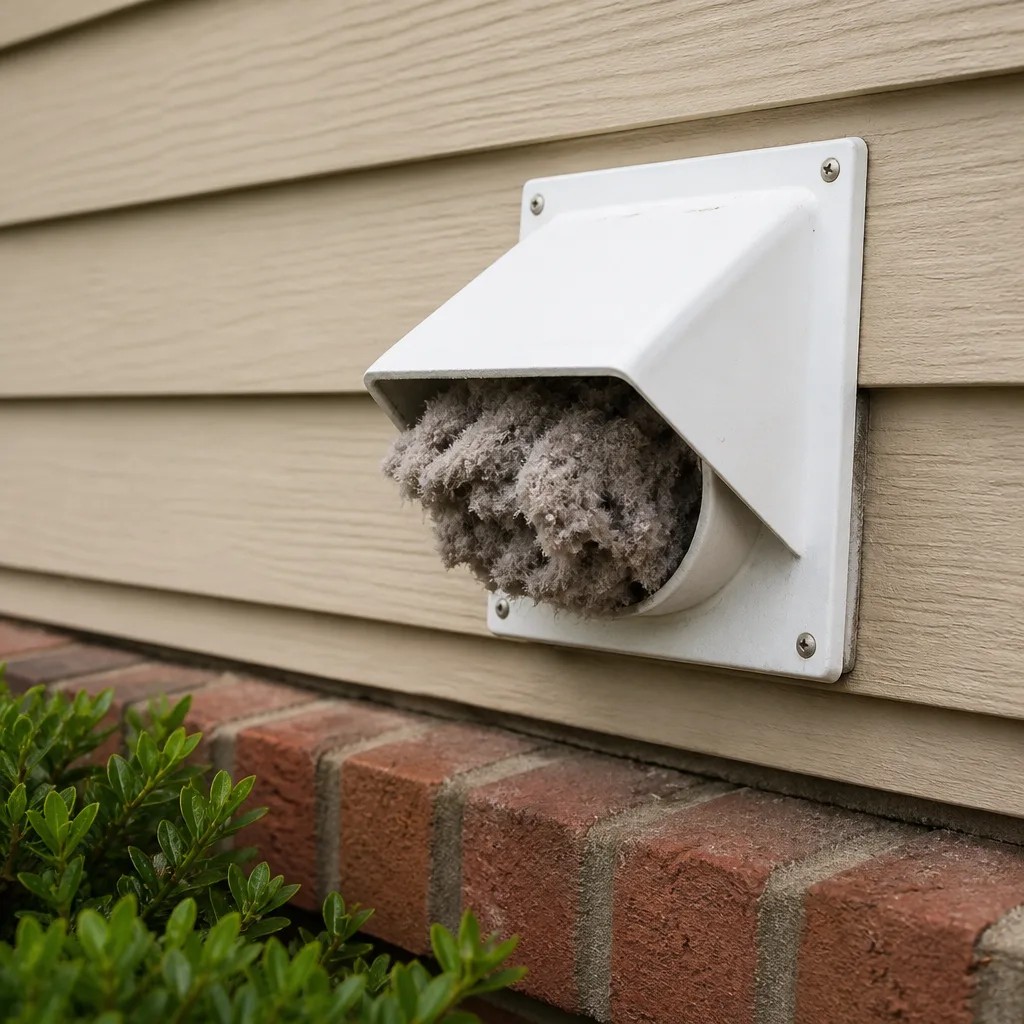 Dryer vent cleaning
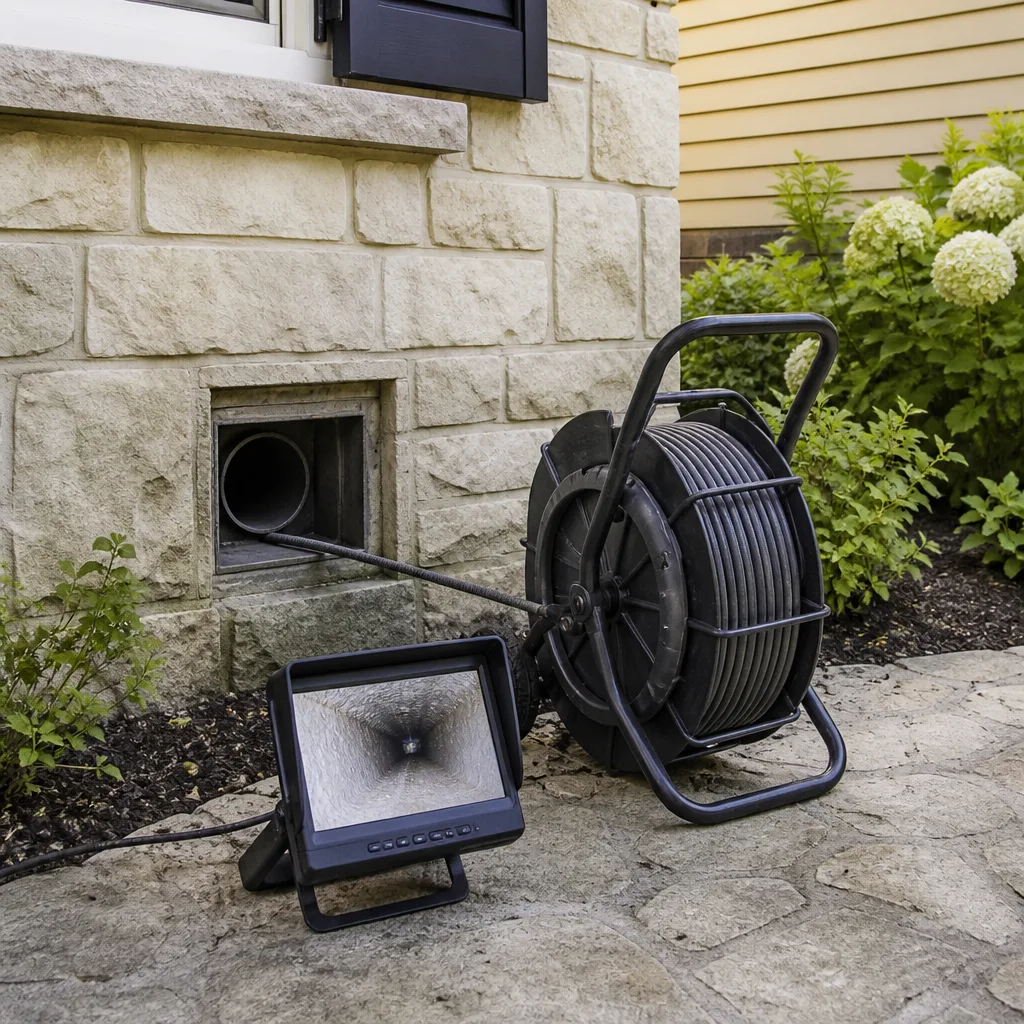 Camera inspection
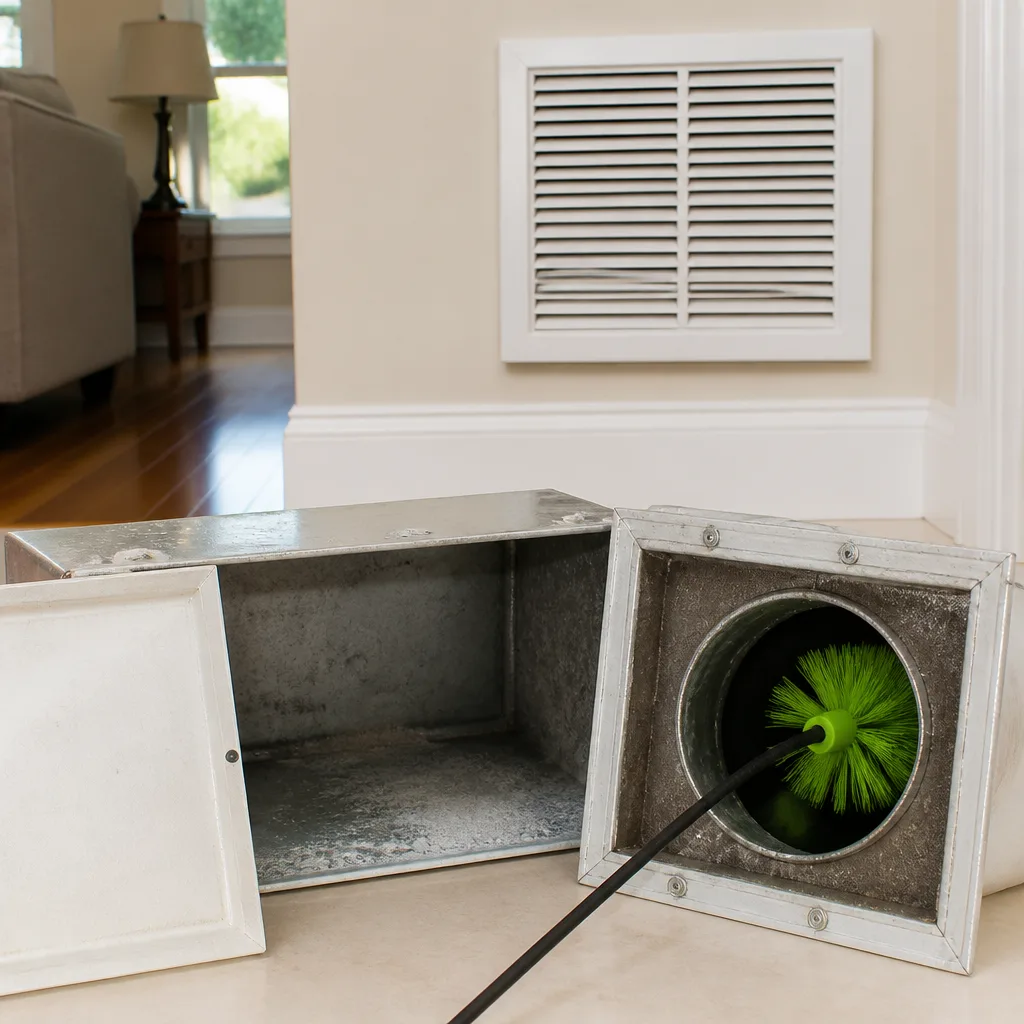 Sanitizing & deodorizing
Whole-system duct and dryer vent check with before-and-after photos - you see exactly what came out of your vents
That "$99 whole-house special" is a bait ad - the real number appears once they are in your hallway, or the "clean" is a shop-vac at the register. We photograph the inside of your ducts before and after instead.
The Complete Guide to Air Duct Cleaning in San Antonio
San Antonio HVAC systems run air conditioning an average of 2,400+ hours per year. That’s nearly three times the runtime of a typical northern home, which means your ductwork accumulates debris at a pace most national cleaning-interval guides were never built to handle. Add caliche dust, high humidity, and an eight-month cooling season, and you have a contamination profile that’s genuinely unique to South Texas. This guide explains what that means for your home, what proper our Air Duct Cleaning services actually involves, what it should cost in San Antonio, and how to verify the work was done right.
Styles & brands we work with
Quick Answer
Air duct cleaning in San Antonio typically costs $350 – $750 for a standard single-system home, depending on square footage, the number of returns, and how long it’s been since the last cleaning. The work should follow NADCA source-removal standards using negative-pressure equipment, not a shop vac, and a legitimate company will hand you a written price before any work starts. In San Antonio’s climate, most homes need evaluation every 2 – 3 years rather than the national 3 – 5 year standard.
Table of Contents
- Why San Antonio Is Different: Climate and Caliche
- What Air Duct Cleaning Actually Is
- How Much Air Duct Cleaning Costs in San Antonio
- What Professional Equipment Looks Like
- How to Verify the Work Was Actually Done
- How Often San Antonio Homes Actually Need It
- How to Choose a Duct Cleaner in San Antonio
- Common Mistakes to Avoid
- When to Call a Professional
- Frequently Asked Questions
- The Bottom Line
Why San Antonio Is Different: Climate and Caliche
Most air duct cleaning guides were written for national audiences and treat every city the same, though you can find more guides & resources on our site tailored to local conditions. That approach falls apart in San Antonio, and here’s why.
First, there’s caliche. If you’ve dug a hole anywhere in Bexar County, you’ve hit it – that chalky, pale limestone layer that sits just under the topsoil. Caliche dust is finer and sharper than typical household dust, and it behaves differently once it enters your ductwork. It doesn’t just settle; it clings. The microscopic edges of caliche particles grab onto the interior surfaces of ducts and onto the evaporator coil, forming a cement-like film when combined with the humidity that’s nearly constant in San Antonio for large stretches of the year. Standard contact vacuuming doesn’t remove it effectively because the particles are embedded, not sitting loose.
Second, there’s the runtime problem. San Antonio homes run AC from roughly March through October, often into November. That long cooling season means your blower motor is constantly pulling air through the return vents, and whatever is in that air gets deposited inside the duct system over thousands of hours of operation. We’ve seen San Antonio systems that run literally overnight in August, seven days a week, moving tens of thousands of cubic feet of air daily. National average guidelines don’t account for that duty cycle.
Third, humidity creates a biological component. When dust – especially the kind that includes skin cells, pet dander, and pollen – stays inside ducts where condensation can form, it can support mold and bacteria growth. San Antonio’s muggy spring and fall seasons, combined with the temperature differential between conditioned air and the attic or wall cavities where ducts live, make condensation a routine condition, not an anomaly. That’s why source removal matters here more than in drier climates like Phoenix or Las Vegas.
What Air Duct Cleaning Actually Is
Air duct cleaning is the process of removing accumulated debris from the interior surfaces of your HVAC ductwork, including the supply and return trunks, branch lines, registers, and often the blower compartment and evaporator coil. The industry standard, defined by NADCA (the National Air Duct Cleaners Association), is called source removal.
Source removal means physically dislodging debris from the duct walls using mechanical agitation, then extracting it from the system using negative-pressure airflow. Negative-pressure extraction means the loosened debris goes straight into the vacuum, not back into your living room. That’s the method professional systems from brands like Nikro and Rotobrush are built for.
Here’s the step-by-step of what a proper job in San Antonio looks like:
- System inspection. The technician checks the return plenum, supply trunk, and several branch lines. They’re looking for debris type, moisture damage, mold signs, and any obstructions like construction debris or pest activity.
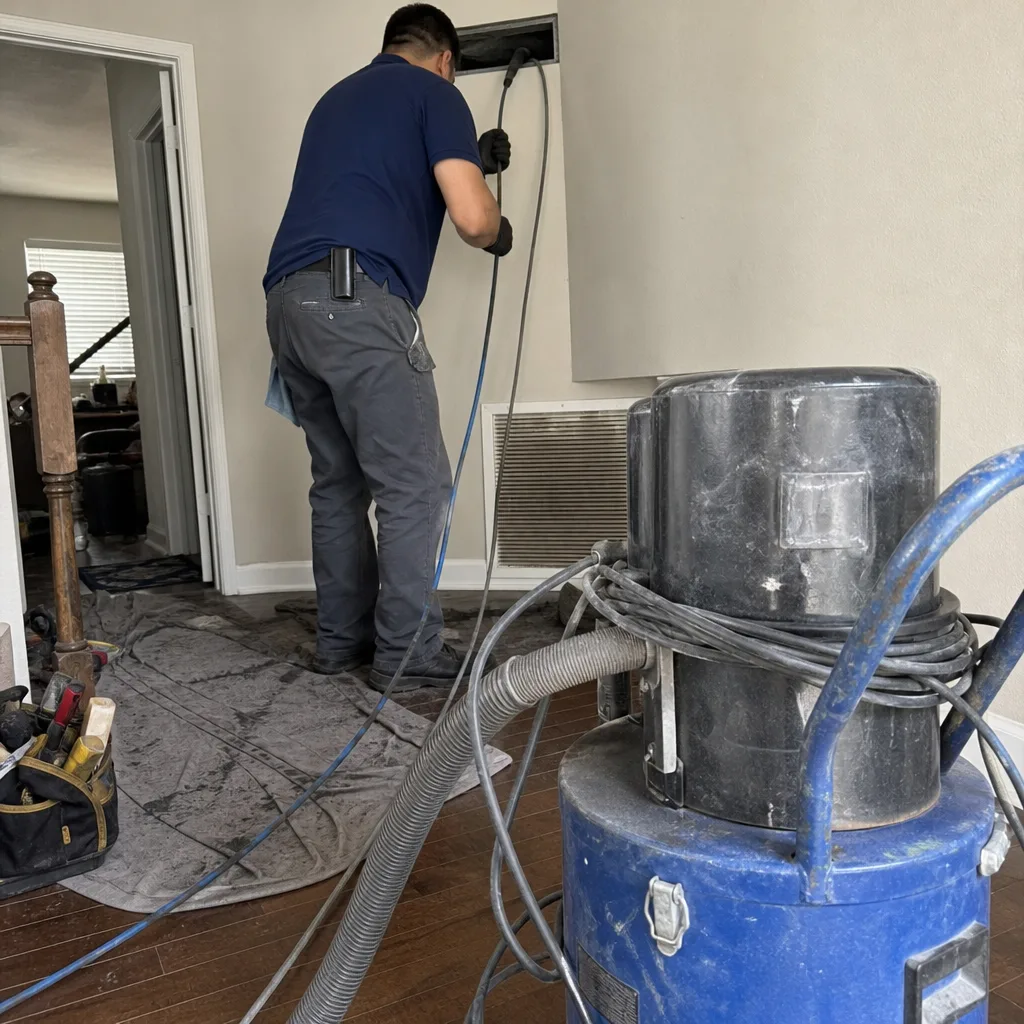
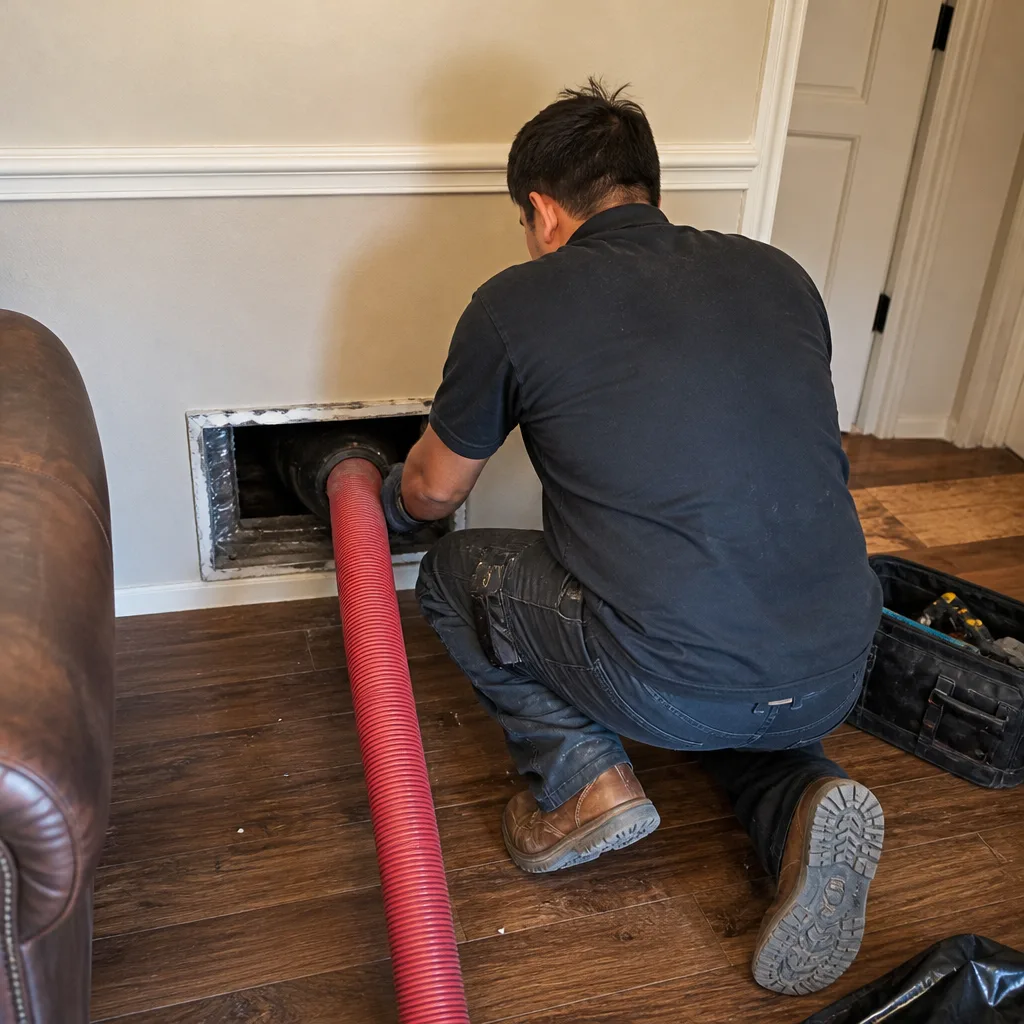
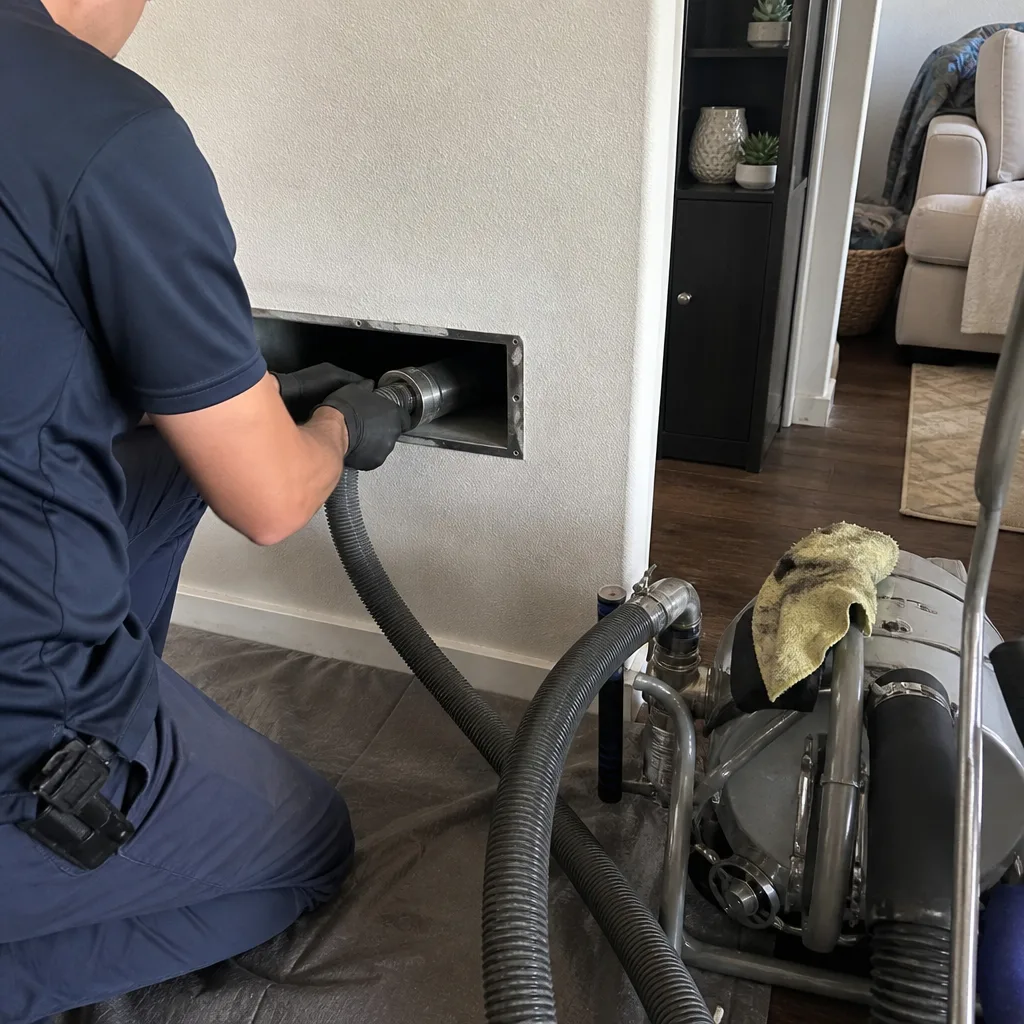
- Containment setup. Professional duct cleaners seal off each register and create negative pressure in the duct system so loosened debris can’t escape into the home.
- Agitation. This is the step that separates real source removal from a surface vacuum. A rotary brush system (Rotobrush is the most common brand you’ll see) or air whip loosens debris that’s adhered to the duct walls. In San Antonio, this is the step that deals with caliche adhesion.
- Extraction. A HEPA-rated vacuum – Nikro is one of the leading brands here – pulls the loosened debris out of the system. HEPA filtration means particles down to 0.3 microns are captured, not blown through the vacuum’s exhaust.
- Final verification. The tech should document the results, typically with before-and-after photos of the inside of the ducts and the blower compartment.
Anything less than this – a contact vacuum that just sucks loose debris from near the registers without agitation, or a glorified carpet-cleaning machine pressed into service – should not be called air duct cleaning and won’t resolve the embedded debris San Antonio systems typically have.
If you’re looking at the full scope of HVAC hygiene, this guide pairs with our HVAC cleaning in San Antonio page, which covers coil cleaning and blower maintenance in detail.
How Much Air Duct Cleaning Costs in San Antonio
Let’s put real numbers on the table, because vague pricing is one of the main reasons homeowners put off this service.
For a standard San Antonio single-family home – roughly 1,500 to 2,500 square feet with one HVAC system – a full source-removal duct cleaning typically runs $350 to $750. That’s the honest range for professional-grade work using proper containment and HEPA extraction equipment. Smaller homes or single-system condos may come in at $300 to $450. Larger homes over 3,000 square feet, or homes with multiple HVAC systems, can run $650 to $900 or more.
Here’s what factors into the price:
- Number of HVAC systems. A two-story San Antonio home with separate upstairs and downstairs systems means two complete cleanings, effectively.
- Total register count. More supply and return vents mean more time sealing, agitating, and verifying each one.
- Access difficulty. Attic-mounted systems common in older San Antonio neighborhoods like Alamo Heights or Monte Vista can take longer to access than closet-mounted units in newer Stone Oak or Alamo Ranch construction.
- Contamination level. If the system hasn’t been cleaned in 8 – 10 years, or if there’s mold or pest activity, the job takes longer and may involve additional remediation steps.
- Add-on services. Evaporator coil cleaning, blower motor cleaning, or dryer vent cleaning are often priced separately or included in a package.
A note on the bait-and-switch pricing you’ll see advertised around San Antonio: some companies advertise a low entry price, then reveal the “real” price once a technician is in your home measuring registers. Other businesses quote per-vent pricing, which sounds cheap until you count the 12 to 20 vents in a typical home. The number you should ask for is a whole-system price, in writing, before anyone starts work. If a company won’t give you one, that’s a red flag, not a negotiation tactic.
Cardinal Air Duct San Antonio operates on a written price before work starts – no per-vent pricing, no door knock surprises. A live person is available 24/7 at (254) 347-3897 to give you an estimate over the phone.
More detail on the full scope of air duct cleaning in San Antonio, including what’s included in our standard service.
What Professional Equipment Looks Like
Not all duct cleaning equipment is equal, and the difference is visible in the results. When you’re vetting a San Antonio duct cleaner, the equipment brands they run tell you a lot about what kind of work they do.
Rotobrush systems are the most widely used rotary brush cleaning machines in the industry. A rotating brush head travels through the ductwork, physically scrubbing debris from the walls. This is the agitation step that matters most in San Antonio, because caliche dust adheres to duct surfaces and won’t come off with suction alone.
Nikro manufactures HEPA-rated negative-air machines and extraction vacuums. HEPA filtration captures particles down to 0.3 microns, which means what comes out of the vacuum is cleaner than the air in most homes. For San Antonio’s biological contamination concerns – mold spores, dust mites, insect debris – HEPA extraction is the difference between removing material and just moving it around.
Abatement Technologies builds containment units and air scrubbers. In homes where mold is present or suspected, proper containment prevents cross-contamination of the living space while the duct system is being cleaned.
After the cleaning, some homeowners add filtration upgrades. Honeywell and Aprilaire manufacture whole-home media filters and electronic air cleaners that help keep a freshly cleaned system cleaner for longer. Ask about these if anyone in your household has allergy or asthma concerns. San Antonio’s oak and cedar seasons are intense, and a post-duct-cleaning filter upgrade can make a real difference in how much pollen gets pulled back into the system.
One question we get from San Antonio homeowners: “You mention brands. Does the brand really matter, or is that just marketing?” Here’s the honest answer: the brand matters because the engineering behind the equipment determines what it can actually remove. A HEPA vacuum from Nikro captures particulate that a basic shop vac pushes back into the air. A rotary brush from Rotobrush agitates surfaces that a static vacuum head can’t touch. The brands aren’t a gimmick – they’re shorthand for the difference between cleaning and actually removing source contamination.
How to Verify the Work Was Actually Done
Here’s a problem specific to the duct cleaning industry: it’s hard to inspect the results yourself. The work happens inside metal tubes that are largely inaccessible without tools and a camera. That’s why documentation matters, and why you should expect more than a receipt.
Before-and-after photos are the baseline. But not just any photos. Here’s what legitimate documentation should include:
- Register-level photos. Photos from inside the branch lines at several supply registers, not just the main trunk. Debris accumulates at the branch ends, and that’s where you’ll see whether the cleaning reached the full system.
- Blower compartment images. The blower motor and housing sit downstream of your filter and accumulate a surprising amount of fine dust. If photos don’t show the blower area, you don’t know whether the air-moving side of the system was actually cleaned.
- Return-side documentation. The return side is where most of your home’s air enters the system. It’s often the dirtiest part, especially in San Antonio homes with pets or carpeted interiors.
- Evaporator coil before/after. If the coil was cleaned as part of the job, photos should show the coil face before (often matted with gray film) and after (visible fins).
Ask to see these photos while the technician is still on site, and ask questions about anything that doesn’t look clean. A company that’s confident in its work will show you images immediately, not email them later.
The Relay Standard is what we call the booking experience at Cardinal Air Duct San Antonio: a live trackable arrival window, before-and-after photo documentation delivered before the technician leaves, and a digital invoice you can pay from your phone. That’s the standard to hold any San Antonio duct cleaner to, regardless of who you hire.
How Often San Antonio Homes Actually Need It
The national guideline you’ll see most often is “every 3 – 5 years.” For San Antonio, we recommend something tighter: an evaluation every 2 – 3 years, with cleaning based on what the evaluation shows.
Here’s why the timeline compresses here. Your AC runtime in San Antonio is roughly double to triple what a home in Ohio or Minnesota accumulates. In eight months of cooling season, often running 12 – 16 hours per day in July and August, your system moves hundreds of thousands of cubic feet of air. Every cubic foot carries whatever is floating in your home – caliche dust from the yard, pet dander, pollen from oak and mountain cedar season, debris from new construction if you’re in a developing area like Cibolo or Bulverde. That airborne material gets filtered, but filters don’t catch everything. The sub-5-micron particles pass through and deposit inside the ducts.
Specific conditions that warrant more frequent cleaning:
- Recent renovation. Drywall dust and construction debris will find their way into ducts no matter how carefully contractors seal things off.
- Pets in the home. Multiple dogs or cats produce significant dander, and their hair accumulates around return grilles and gets pulled into the system.
- Allergy or respiratory conditions. If anyone in the home has asthma, COPD, or severe allergies, keeping the system clean is a higher priority.
- New construction nearby. If you’re near active development in areas like Schertz, Converse, or far west San Antonio, construction dust infiltrates homes more easily.
- Visible dust accumulation. If you see dust billowing from registers when the blower kicks on, or if surfaces need dusting more than once a week, your ducts are likely contributing.
Dryer vents are a related but separate concern, and they have their own timeline. Check our dryer vent cleaning in San Antonio page for how those intervals work.
How to Choose a Duct Cleaner in San Antonio
San Antonio has dozens of duct cleaning companies, and they range from single-truck operations with marginal equipment to established local firms running professional-grade systems. Here’s how to sort through them without needing an industry background.
First, ask about the cleaning method. Specifically: “Do you use source removal with negative-pressure containment, or contact vacuuming?” A legitimate company will know exactly what you’re asking and will confirm source removal. If the answer is vague, or if they describe something that sounds like “we vacuum each vent from the outside,” that’s a contact-only approach. It does not meet NADCA standards and will not resolve embedded debris in San Antonio systems.
Second, ask for a written whole-system price before booking. Not a “starting at” price, not a per-vent price, not a price quoted from a phone call that can change at the door. A written price for your specific home, locked in before work begins. If a company is reluctant to do this, that’s information.
Third, ask what the crew looks like when they arrive. Are they uniformed? Background-checked? Do you know the technician’s name before they show up at your door? These aren’t cosmetic details – they’re basic accountability signals that the company invests in its people and cares about the homeowner’s experience.
Fourth, ask about their guarantee. Here’s the standard we hold ourselves to, and the one you should look for elsewhere: the 365-Day Done Right Promise. If the work isn’t right within 365 days, the company returns and corrects it at no charge. Not a 30-day window. Not a “labor only” guarantee. A full year. That’s the longest-standing satisfaction window in the trade, and it applies to every job without exception.
Finally, research the company’s reputation. Look at reviews, check that they’re insured and bonded, and verify that someone actually answers the phone when you call. You shouldn’t have to leave a voicemail and hope for a callback when you’re trying to spend money on your home.
Common Mistakes to Avoid
- Falling for a $49 coupon. Advertised ultra-low pricing in the San Antonio duct cleaning market is almost always a lead generation tactic. The real price gets revealed on-site. If the number sounds too good to be a real source-removal cleaning, it isn’t a real source-removal cleaning.
- Accepting contact-only vacuuming. A technician who vacuums accessible vents without sealing and agitating the full system is not cleaning your ducts. They’re cleaning the first six inches of each vent. Caliche dust stays embedded, and you’ve paid for a surface wipe.
- Skipping the blower and coil. The blower motor and evaporator coil are internally within the air path. If they’re left dirty, they re-contaminate the cleaned ducts quickly. Ask whether they’re included before signing anything.
- Not getting documentation. If the company doesn’t provide before-and-after photos from inside the ducts – including registers and the blower compartment – you have no way to verify the work was done. In an industry with well-earned skepticism, documentation isn’t optional.
- Trusting the national “every 3 – 5 years” interval. San Antonio’s climate doesn’t fit that timeline. Evaluate every 2 – 3 years, and let the condition of the system determine the actual cleaning schedule.
- Ignoring the dryer vent. Many homeowners get their HVAC ducts cleaned and forget the dryer vent, which is a more urgent fire safety concern. If you’re scheduling one, ask about the other.
- Hiring based on website polish alone. A sharp-looking website doesn’t mean the company uses proper equipment or honors its guarantees. Ask the method and price questions above, and hire the company that answers them directly.
When to Call a Professional
If you’ve lived in your San Antonio home for more than three years and have never had the ducts cleaned, that’s the signal to schedule an evaluation. Same if you see visible dust accumulation around register openings, hear the blower running constantly, or have household members whose allergies flare when the AC kicks on. If you notice a musty smell that’s stronger when the system runs, or if you find evidence of pests in or around the return vents, don’t wait. Duct cleaning is not a DIY job - see our DIY vs Professional Air Duct Cleaning: The San Antonio Homeowner’s Decision Guide for why - and the tools that do it properly are not things you can rent at a hardware store. Cardinal Air Duct San Antonio offers free estimates throughout the San Antonio area. Call (254) 347-3897 to schedule yours.
Frequently Asked Questions
Most standard San Antonio homes pay $350 – $750 for a complete source-removal duct cleaning. Smaller homes or condos may run $300 – $450, while larger two-system homes can run $650 – $900. The price should be quoted as a whole-system flat rate, not per vent, and you should receive it in writing before any work begins. Call (254) 347-3897 for an exact quote on your home.
Because they’re not for the same service. Ultra-low quotes typically represent contact vacuuming – vacuuming visible debris from register openings without sealing, agitating, or extracting from the full duct system. That method cannot remove the embedded caliche dust and fine particulate that San Antonio systems accumulate, and it doesn’t meet NADCA source-removal standards. A legitimate source-removal cleaning uses professional equipment and costs what it costs.
You should receive before-and-after photos from inside the ducts – at the registers, in the blower compartment, and on the return side – while the technician is still on site. These images are your verification. If a company can’t or won’t show you photographic proof from inside the system, assume the work wasn’t done to the standard you paid for and take it up before they leave.
Every 2 – 3 years for most San Antonio homes, not the 3 – 5 year national guideline. The combination of an 8-month cooling season, caliche dust, and humidity-driven biological growth compresses the timeline here. Homes with pets, recent renovations, or allergy-sensitive occupants may need annual evaluation. Let the condition of your system – confirmed by camera inspection – determine the schedule.
It can, particularly during oak and mountain cedar season. Ducts accumulate pollen, dust, and biological material over thousands of hours of AC operation. Removing that accumulation reduces the volume of particulate your system recirculates. Adding a whole-home media filter from Honeywell or Aprilaire after cleaning helps maintain the improvement by capturing more pollen and spores before they enter the ducts.
For most San Antonio homeowners, yes. The combination of extended cooling seasons and fine caliche dust means systems here accumulate debris faster than in almost any other U.S. market. A properly performed source-removal cleaning reduces the particulate load in your home’s air, and the cost is straightforward when you get a written whole-system price. What isn’t worth the money is a cheap contact vacuum sold as a full cleaning.
Yes. Dryer vents collect lint independently of HVAC ducts and carry a genuine fire risk if neglected. San Antonio homes with longer vent runs – common in single-story homes where the laundry room is central – accumulate lint faster. If you’re already scheduling duct cleaning, ask about dryer vent service in the same visit to consolidate scheduling and save a second trip. See our Dryer Vent Cleaning Maintenance Checklist for San Antonio Homeowners to learn what proper maintenance includes.
The Bottom Line
San Antonio’s climate demands more from your HVAC system than most of the country. Caliche dust, high humidity, and an eight-month cooling season create duct conditions that generic national advice doesn’t address. You should have your ducts evaluated every 2 – 3 years, demand source removal with HEPA extraction, insist on written whole-system pricing, and get before-and-after photos as proof. The companies worth hiring in San Antonio are transparent about method, price, people, and guarantee. Anyone unwilling to answer those four questions is not worth your time. Call (254) 347-3897 for a free estimate, and you’ll get a live person, a straight answer, and a written price before any work begins.
Written by Omar Haddad, Owner at Cardinal Air Duct San Antonio, serving San Antonio since 2005.
See the difference
 Before
 After
After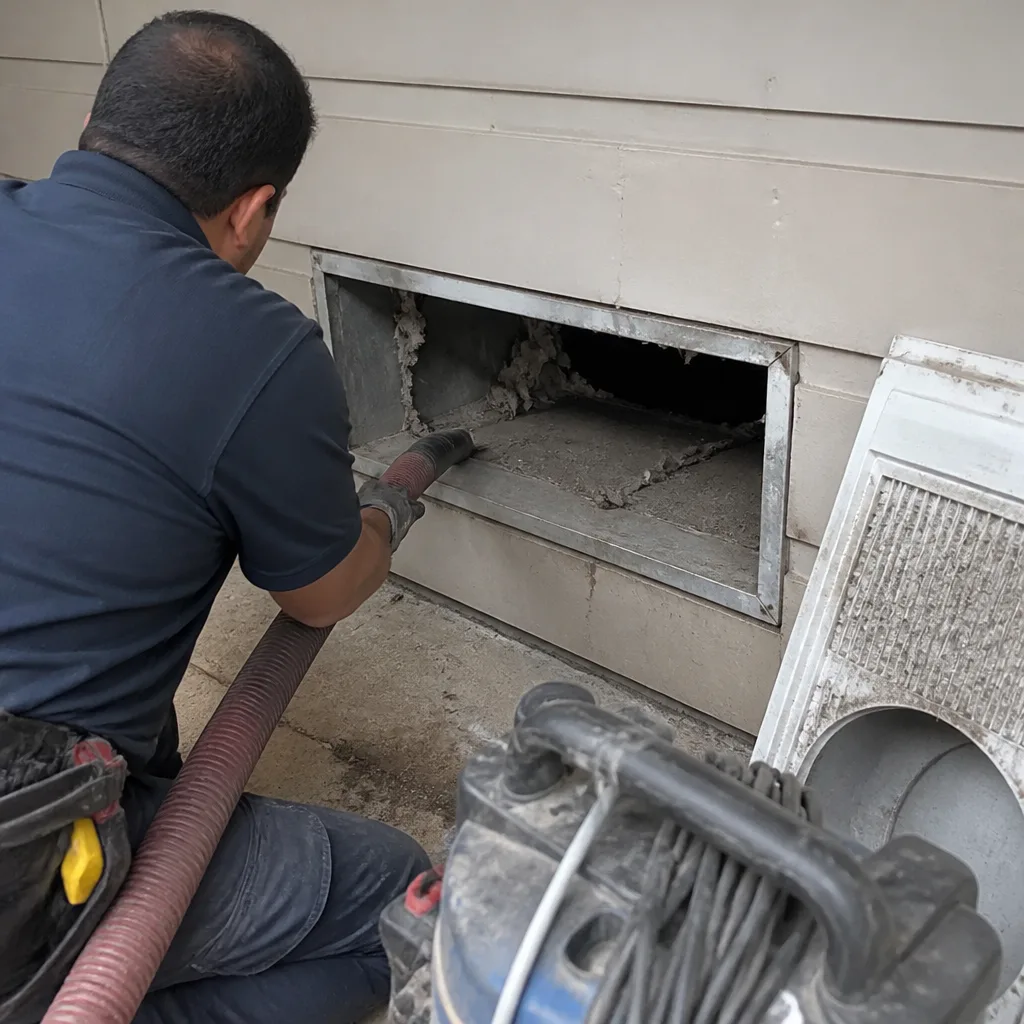 Before
 After
After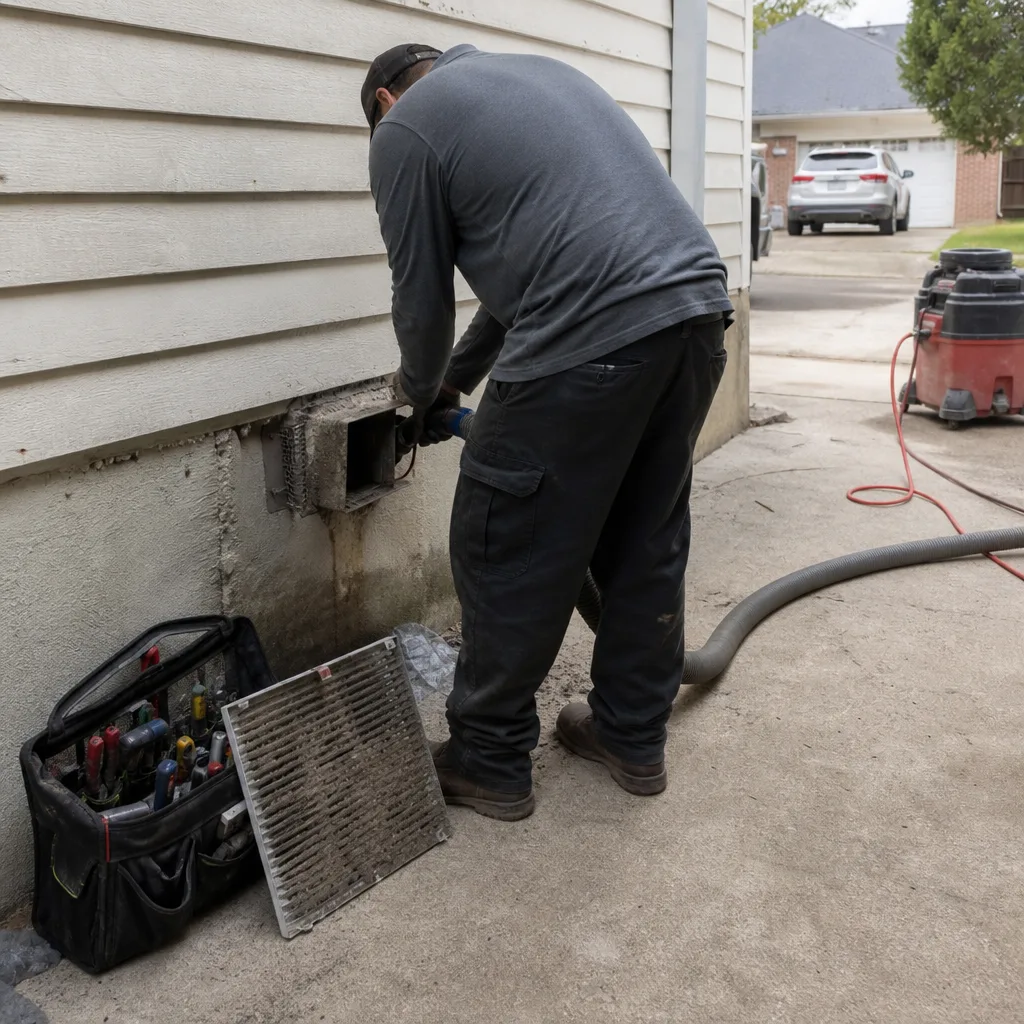 Before
 After
After