
Last updated October 15, 2026
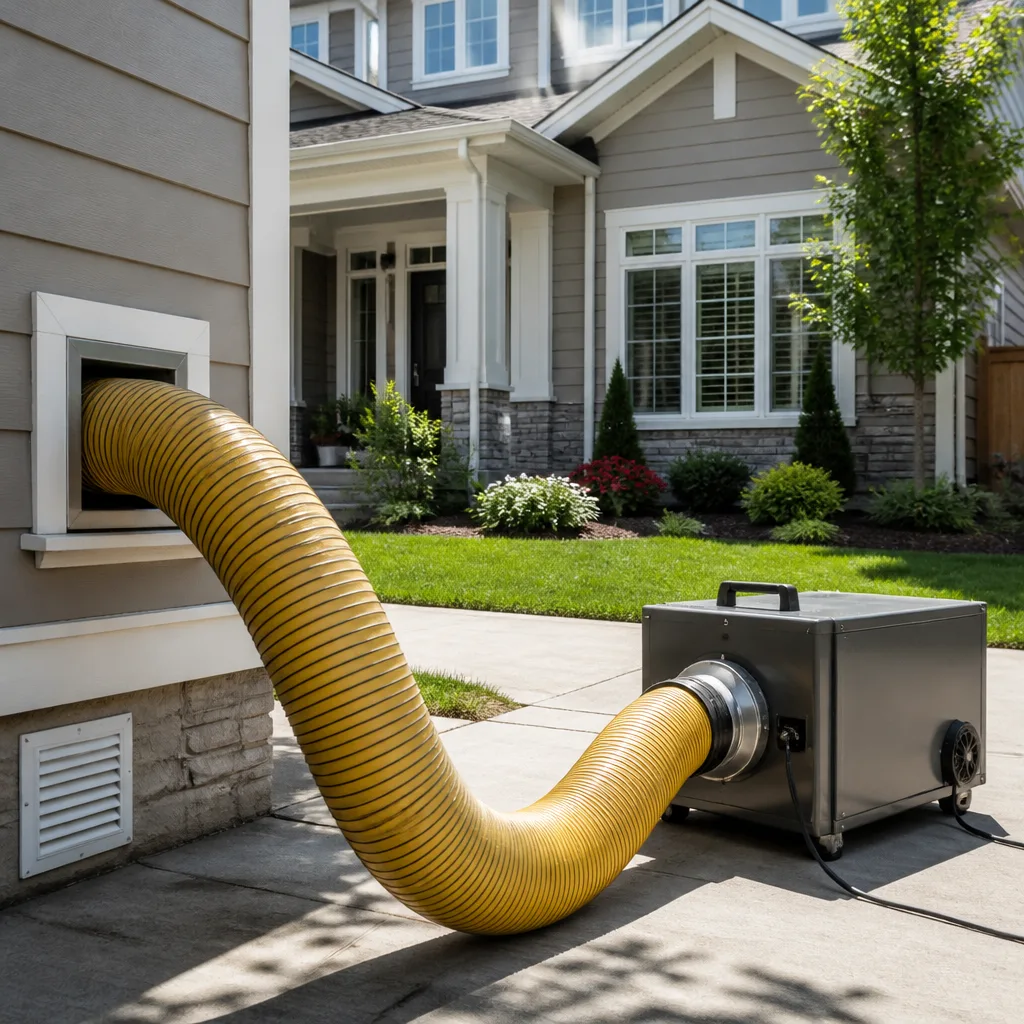 Whole-home duct cleaning
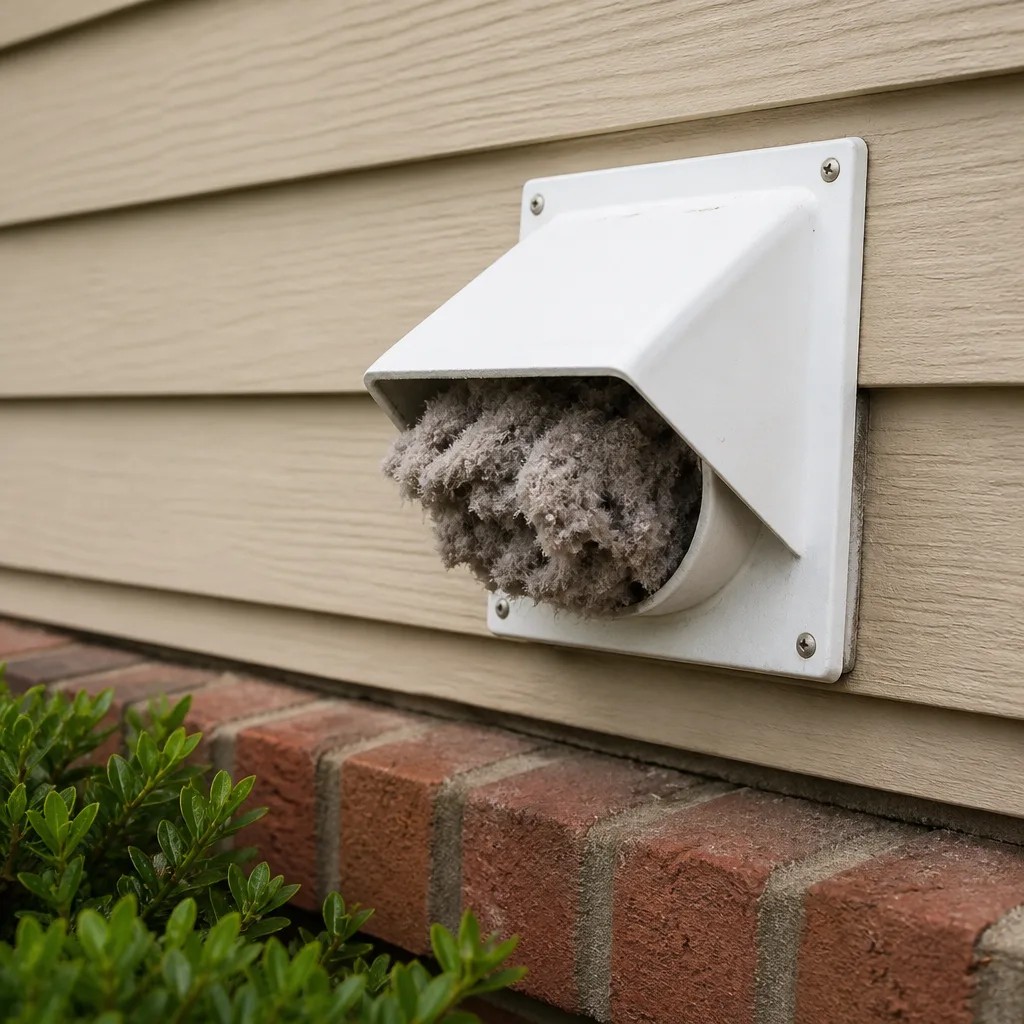 Dryer vent cleaning
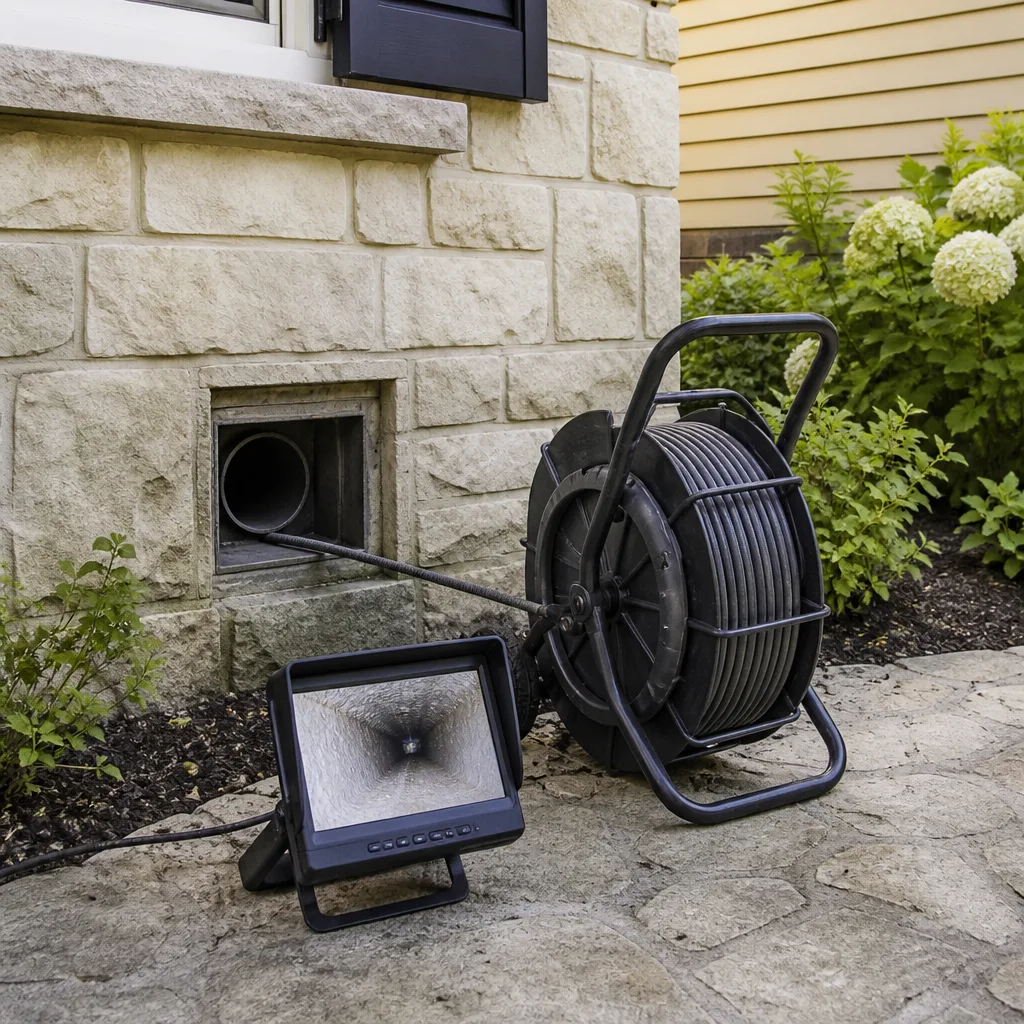 Camera inspection
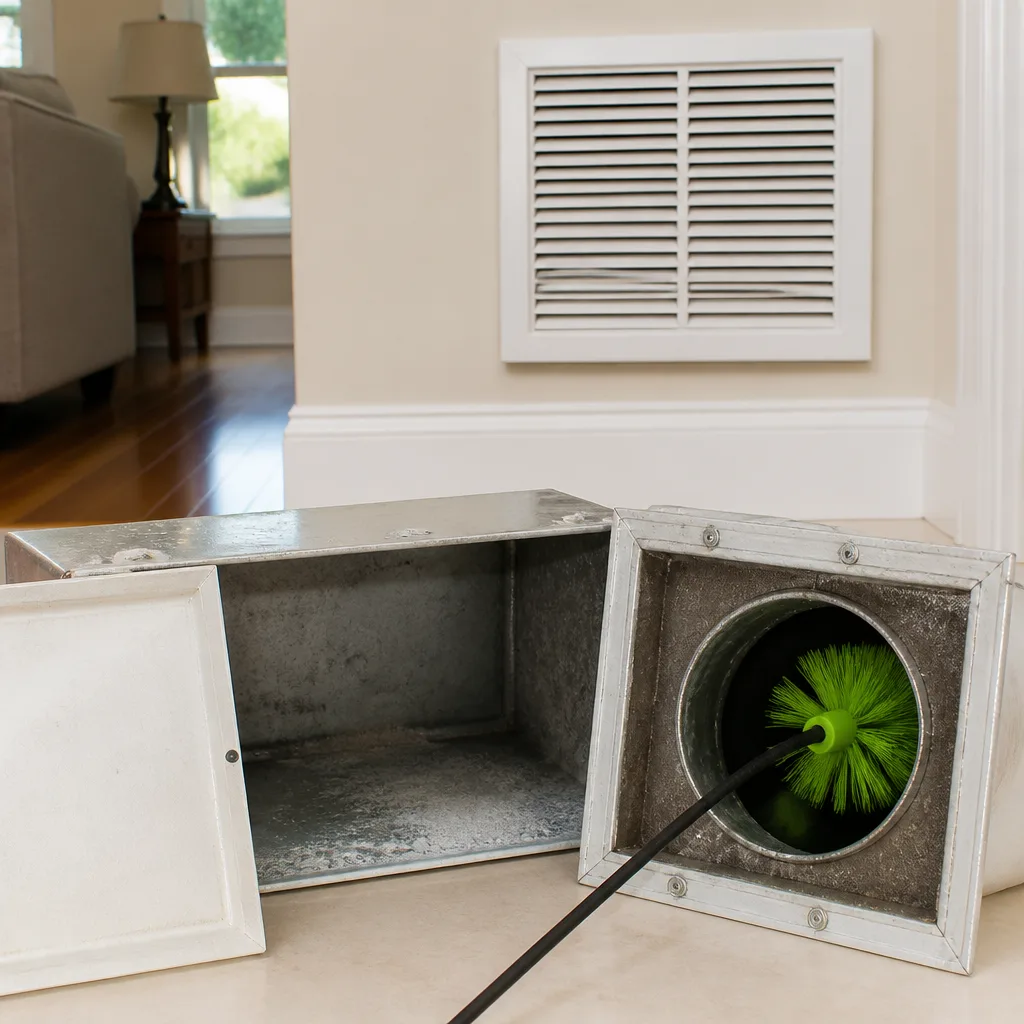 Sanitizing & deodorizing
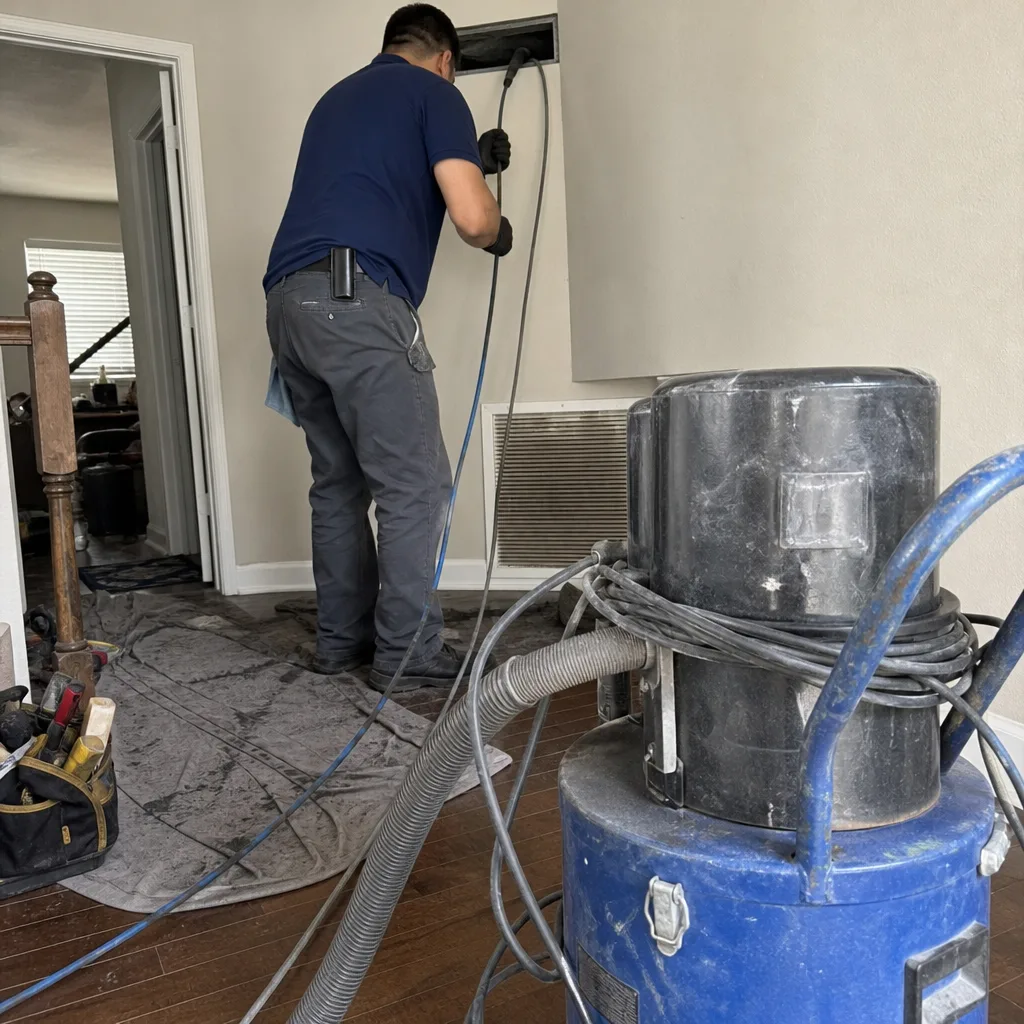
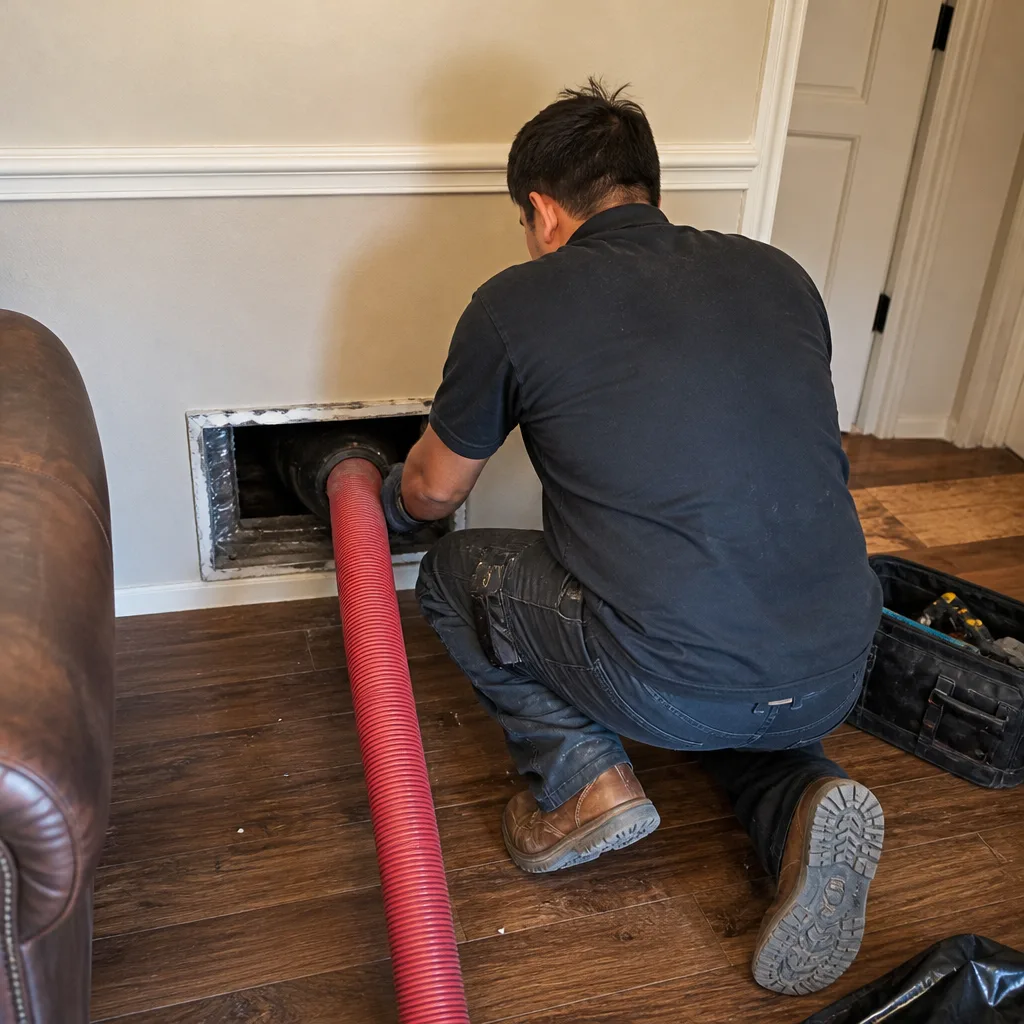
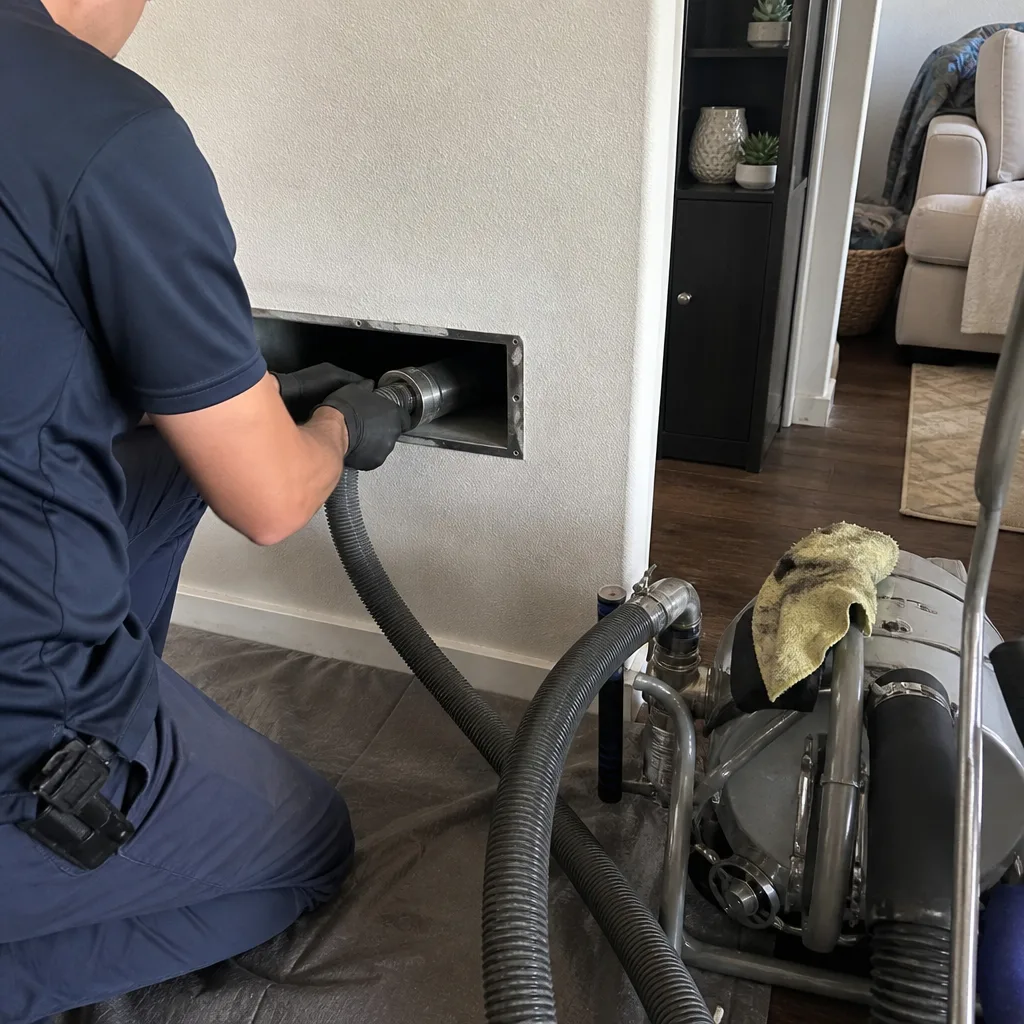
Whole-system duct and dryer vent check with before-and-after photos - you see exactly what came out of your vents
That "$99 whole-house special" is a bait ad - the real number appears once they are in your hallway, or the "clean" is a shop-vac at the register. We photograph the inside of your ducts before and after instead.
DIY vs Professional Air Duct Cleaning: The San Antonio Homeowner’s Decision Guide
Your shop vac can clean about 18 inches into a duct run. A truck-mounted negative-pressure system creates suction across the entire duct system simultaneously. Everything between those two facts is the actual DIY vs. professional decision, and most comparison guides never define that line. This guide does. We’re writing this from San Antonio, where limestone dust, cedar pollen, and the occasional monsoon-season humidity spike make Air Duct Cleaning a different conversation than it is in, say, Minneapolis. By the end, you’ll know exactly which tasks are worth doing yourself, which ones demand professional equipment, and what a fair price looks like in Bexar County.
Styles & brands we work with
Quick Answer
DIY duct cleaning works for surface-level maintenance like register covers and the first 18 inches of visible ductwork, but it cannot reach the trunk lines, elbows, and blower housing where San Antonio’s dust actually settles. Professional cleaning uses negative-pressure extraction and rotary brush systems that pull debris from the entire system, not just the parts you can see. Most San Antonio homeowners should do the light DIY tasks every 3 months and book a professional cleaning every 3 to 5 years depending on dust load, pets, and allergies.
Table of Contents
- The 18-Inch Rule: What Your Shop Vac Can Actually Reach
- Legitimate DIY Tasks Ranked by Real Impact
- The Equipment Gap: What Professionals Run That You Don’t
- When DIY Attempts Make Professional Cleaning Harder
- The Honest Cost-Benefit Calculation for San Antonio Homes
- How Often Do San Antonio Ducts Actually Need Cleaning?
- What Makes San Antonio Ducts Different: Climate and Construction
- Common Mistakes to Avoid
- When to Call a Professional
- Frequently Asked Questions
- The Bottom Line
The 18-Inch Rule: What Your Shop Vac Can Actually Reach
Here’s the uncomfortable truth about DIY duct cleaning: most of what a homeowner can physically access is not where the problem lives. You can remove a register cover, reach in with a shop vac hose or a brush kit from the hardware store, and clean the first 18 inches of duct. That’s it. Beyond that point, the duct bends, narrows, or runs through walls, floors, and attic spaces where no consumer hose can follow.
In a typical San Antonio home, the duct layout works like this. Your supply registers sit at the end of branch lines that run from a main trunk line. That trunk line connects to the air handler, which houses the blower motor, evaporator coil, and often a filter rack. The dust you can see around your register vents is maybe 10 percent of what’s actually in the system. The rest sits in the trunk line, the elbows, the plenum, and on the blower wheel itself. In our experience across San Antonio’s North Side, Stone Oak, Alamo Heights, and older neighborhoods like Jefferson and Monte Vista, the heaviest accumulation is almost always at the air handler and the first 5 feet of trunk line, which are the hardest places for a homeowner to reach safely.
The 18-inch rule is not a marketing line. It’s physics. Your shop vac, even a strong one with a 2.5-inch hose, creates suction only at the point of contact. Dust 10 feet away in the trunk line does not move because the air is not moving through the vac from that distance. Professional systems solve this by creating negative pressure across the entire duct system at once, a difference we explain further in the equipment section below.
Legitimate DIY Tasks Ranked by Real Impact
DIY duct maintenance is not useless. Done right, it extends the interval between professional cleanings and improves airflow between visits. Here are the tasks ranked by how much they actually matter for a San Antonio homeowner.
- Replace your air filter on a schedule that matches San Antonio’s dust load. This is the single highest-impact DIY task. In San Antonio, the combination of limestone dust from the Hill Country and cedar pollen from December through February means a standard 1-inch fiberglass filter should be swapped every 30 to 45 days during heavy seasons, not the 90 days printed on the packaging. Homes with pets in the 30,000 homes in the 78209 and 78230 ZIP codes tend to need even shorter intervals. A 4-inch media filter from Honeywell or Aprilaire can stretch to 6 months, but even those should be checked monthly during cedar season.
- Vacuum and wipe register covers. Remove each supply and return register cover, vacuum the back side, wipe with a damp cloth, and dry before reinstalling. Do this every 3 months. It takes 30 minutes and keeps surface dust from re-entering the air stream.
- Inspect with a phone camera. Take the register cover off, shine a flashlight down the duct, and record a video with your phone. You’ll see the first foot or two of duct. That footage is useful as a baseline and helps you decide when to call a professional. If you see caked dust, rodent droppings, or visible mold, skip the DIY and call for an inspection.
- Keep supply and return registers unblocked. Furniture pushed against a return vent reduces airflow and causes the system to pull air from less-filtered gaps. In San Antonio’s single-story ranch homes and two-story track builds alike, blocked returns are one of the most common causes of uneven cooling and high summer energy bills.
These tasks cost between $0 and $30 in supplies (filter, damp cloth, maybe a register brush) and take about 2 hours total for a typical 2,000-square-foot home. Do them regardless of whether you ever hire anyone. They are complementary to professional cleaning, not a substitute for it.
The Equipment Gap: What Professionals Run That You Don’t
The difference between a Rigid shop vac with a brush attachment and what a professional air duct cleaning crew in San Antonio runs is not a matter of degree. It’s a different category of tool entirely. Understanding that difference will help you evaluate any company you call.
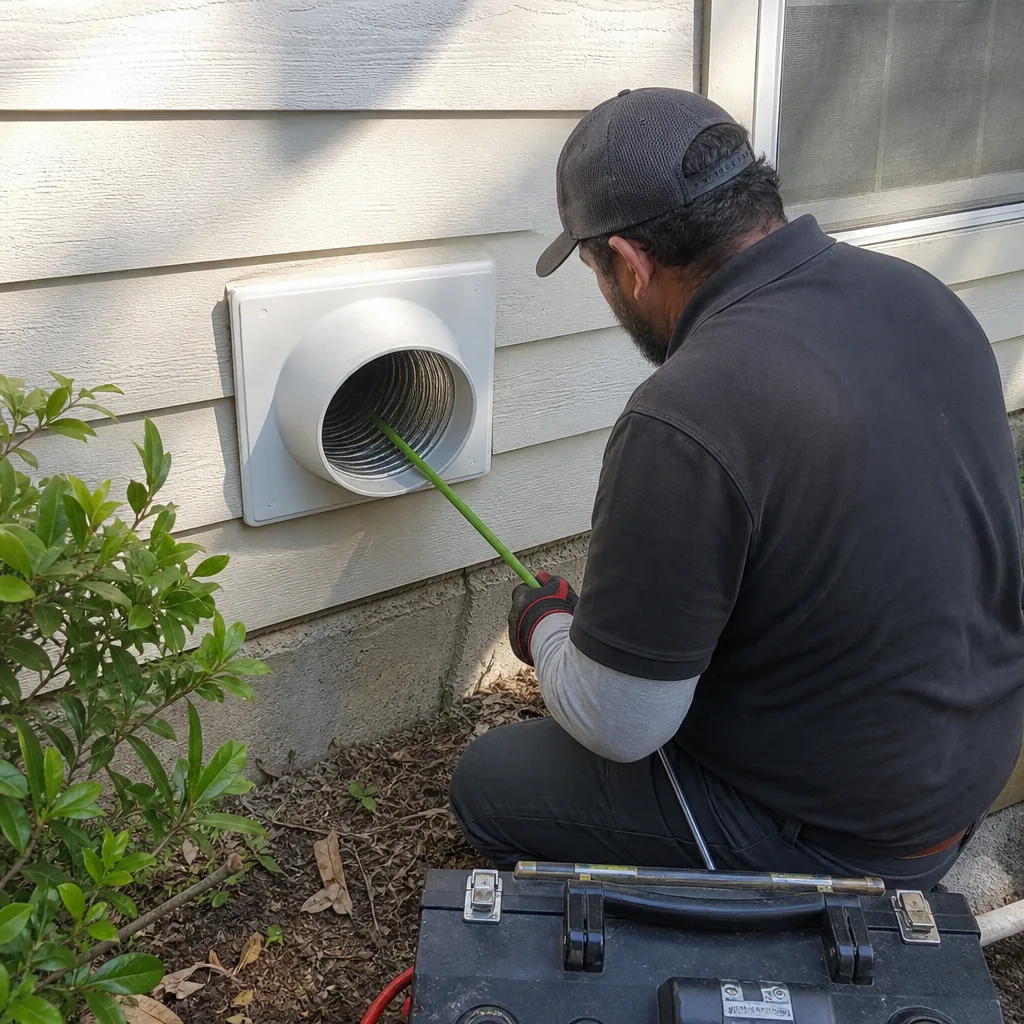
Professional duct cleaning uses a process called negative-pressure extraction. That term gets thrown around, so let’s decode it. The crew connects a large vacuum unit, typically truck-mounted or a portable HEPA unit, directly to the duct system at the air handler. That vacuum pulls the entire duct system into negative pressure, meaning air is being sucked out through every register and return at once. Then a rotary brush system, such as a Rotobrush unit, is fed through each duct run. The brush agitates debris off the duct walls, and because the system is under negative pressure, that loosened debris goes straight into the vacuum rather than back into your living room.
Compare that to a shop vac. A shop vac is a point-of-contact tool. It only moves air at the tip of the hose. It cannot pressurize the entire duct system. It cannot reach the trunk line. It cannot run a brush 25 feet into a flex duct. This is not a knock on shop vacs; they’re excellent tools for what they’re designed to do. They were just never designed to clean an entire duct system.
Some professional crews also run Nikro HEPA-rated vacuums and Abatement Technologies containment units when the job involves mold remediation, rodent contamination, or heavy construction debris. These are not tools a homeowner can rent from Home Depot. They exist to filter the air during cleaning so that what comes out of your ducts does not end up in your lungs or on your living room furniture.
When DIY Attempts Make Professional Cleaning Harder
There is a specific way DIY duct cleaning goes wrong that almost no guide mentions: using household spray cleaners inside registers or ducts. We’ve seen this in San Antonio homes across every ZIP code from 78212 to 78258, and the result is always the same. The spray wets the dust lining the duct. The wet dust forms a paste. The paste dries and bonds to the duct lining like spackle. What would have been a straightforward mechanical cleaning now requires more aggressive brush work, more time, and in some cases, replacement of sections of flex duct that cannot be cleaned.
Here is the rule: nothing wet goes inside a duct. Not disinfectant spray, not Febreze, not bleach. If you smell something from your vents, that’s a symptom of a problem you need to diagnose, not spray over. A musty smell often points to a clogged condensate drain or microbial growth on the evaporator coil, both of which are professional service items.
Another DIY misstep is overextending a brush. Hardware store duct cleaning kits come with flexible rods that snap together. A homeowner pushes the rod further and further into the duct, the rod flexes, and the brush head or a snapped rod section lodges inside the duct. Now you have an obstruction you cannot retrieve, and your HVAC system is running with reduced airflow. We’ve retrieved broken DIY brush heads from ducts in San Antonio homes more times than we can count. The fix costs more than the professional cleaning would have in the first place.
Finally, accessing the blower housing or coil without killing power and properly disconnecting wiring is a legitimate electrical hazard. The blower motor is 120V. The air handler cabinet is metal. A slip with a shop vac hose and you’ve got a shorted control board or a hospital trip. This is not a caution we tack on for liability reasons. It’s a real risk in every home, and it’s the line we draw firmly: homeowners should stay at the register face and leave everything behind it to a trained technician.
The Honest Cost-Benefit Calculation for San Antonio Homes
Let’s put dollar figures on this. DIY register maintenance, as described above, costs $0 to $30 in supplies and takes about 2 hours every 3 months. That is real value, and we encourage every San Antonio homeowner to do it. For professional cleaning, most standard air duct cleanings in San Antonio run $350 to $650 for a typical single-system home up to 2,500 square feet. Prices vary by the number of systems, the level of contamination, and whether additional services like dryer vent cleaning or coil cleaning are bundled in.
Here is the decision tree:
- You see dust around registers, and your filter is dirty. DIY register cleaning and a filter swap. That’s likely all you need right now.
- You’ve never had the ducts cleaned, and the home is older than 7 years. You’re past due. Book a professional air duct cleaning in San Antonio. A thorough cleaning resets the system.
- You have pets, allergies, or live near a construction zone. Shift from the 5-year interval to a 3-year interval between professional cleanings, and keep up the quarterly DIY tasks.
- You moved into a home and don’t know the duct history. Assume the worst. Builders’ construction debris in ducts is common in newer San Antonio subdivisions, and previous owners are not going to volunteer that they never cleaned the system. Start with a professional cleaning and a visual inspection.
- Your energy bills spiked, and your filter is clean. The problem is probably not dirty ducts alone. You may need an HVAC cleaning in San Antonio that includes the blower and coil, which are the components that actually drive efficiency.
One more cost point. A professional cleaning takes 3 to 4 hours for a typical home, not 20 minutes. If a company quotes you $99 and says they’ll be done in an hour, that’s a bait-and-switch. They’re not cleaning ducts. They’re running a shop vac at a register face and then upselling you. A legitimate cleaning involves setting up containment, cutting an access into the trunk or plenum, running the brush and vacuum through every branch, and sealing everything back up. Anyone quoting a price below $300 for a whole-system cleaning in San Antonio is either undercounting the work or planning to add charges once they’re inside your house. For help vetting companies, read our guide on How to Hire a Air Duct Cleaning Contractor in San Antonio: A Step-by-Step Guide. At Cardinal Air Duct San Antonio, the written price you get before we start is the price on your invoice. No per-vent add-ons, no mystery fees.
How Often Do San Antonio Ducts Actually Need Cleaning?
The industry standard answer is every 3 to 5 years, but that assumes average dust loads. San Antonio is not average. Between Hill Country limestone, the cedar bloom, and the amount of time most homes run their AC (April through October in most years), the dust load here is materially higher than the national baseline.
Here is a practical schedule for San Antonio:
- Every 3 years: Homes with 2 or more pets, homes in high-traffic neighborhoods near Loop 1604 construction corridors, homes with allergy or asthma sufferers, homes with smokers or vapers.
- Every 4 to 5 years: Single-family homes with 1 or no pets, consistent filter changes, and no unusual symptoms, in established neighborhoods away from active construction.
- Every 2 years or sooner: Homes that recently underwent renovation (drywall dust, sawdust, paint overspray), homes with a history of rodent activity in the attic, homes where a water leak ever touched the ductwork.
If you don’t know your home’s history, assume you’re due. The ducts in a home built in 2015 that has never been cleaned have 10 years of accumulated debris in them by 2025, and that math holds for thousands of homes across the San Antonio metro.
What Makes San Antonio Ducts Different: Climate and Construction
San Antonio homes have two features that change how ducts get dirty and how they should be cleaned. First, most HVAC systems here run 8 to 10 months out of the year. More run time means more air cycles, more dust moving through the system, and more buildup on blower wheels and coils. A home in the Northeast might run heat and AC in alternating bursts. A San Antonio home runs AC nearly continuously from May through September, and often into October.
Second, a significant share of San Antonio homes, especially in newer developments around Alamo Ranch, Cibolo, and the far West Side, have flex duct in the attic. Flex duct is the insulated, accordion-style tubing that runs from the trunk line to each register. It’s popular in Texas construction because it’s fast to install and insulates well. But flex duct has a corrugated interior surface that catches and holds dust more than smooth metal duct. When a Rotobrush system cleans flex duct, it depends on the brush agitation working against that corrugation. A homeowner with a shop vac at a register face is doing almost nothing to the part of the duct that matters.
There’s also the humidity factor. San Antonio is not Houston, but monsoon season and the occasional tropical system can push indoor humidity beyond comfort. When humidity stays high, dust that has accumulated in ducts can go from dry and loose to damp and sticky. That’s when it clings to duct walls and needs mechanical agitation to remove. A dry-weather DIY vac pass won’t touch it.
Common Mistakes to Avoid
- Spraying anything wet into a duct. Household cleaners, disinfectants, and deodorizers mix with duct dust and form a paste that hardens over time. Once it bonds to duct lining, mechanical cleaning becomes significantly harder, and in severe cases, the duct needs sectional replacement.
- Overextending a DIY brush into a flex duct. Hardware store brush rods snap together and give a false sense of reach. The rods flex inside the duct, and the brush head can detach. Retrieving a lost brush head from a trunk line is a service call that costs more than the original cleaning would have.
- Assuming a dirty filter means dirty ducts. A dirty filter is a sign the filter is doing its job, not necessarily that ducts are filthy. Replace the filter first and reassess. Jumping straight to a cleaning without fixing the filter cadence means your clean ducts will be dirty again in 6 months.
- Falling for the $99 whole-house special. A team that quotes under $300 for a full system in San Antonio is not doing a real cleaning. They’re using a shop vac at the register and then pressuring you into upsells. Get a written price before work starts, and ask what equipment they run. If they can’t name their extraction unit, that’s your answer.
- Cleaning only the supply ducts and skipping the return side. The return side is where unfiltered air gets pulled into the system. If you clean only the supply side, you’re cleaning the exits but not the intake. A professional cleaning should cover both. Ask to see the access point they cut into the return plenum.
- Ignoring the dryer vent during duct cleaning. The dryer vent is a separate system from your HVAC ducts, and it has its own lint hazard profile. If you’re having HVAC ducts cleaned, ask about dryer vent cleaning in San Antonio at the same time. Many homes in San Antonio have long dryer vent runs through attics that accumulate lint gradually.
- Doing nothing because the ducts look clean from the register. The register face is the last 18 inches. The trunk line is where the debris is. If you want a real look, remove a return grate and film a phone video toward the air handler. If you can’t see, you can’t verify. That’s what before-and-after photo documentation is for.
When to Call a Professional
Here are the specific scenarios where the equation flips and professional cleaning is no longer optional. If you see visible mold growth inside any duct, especially after a water leak or flooding event, call a professional. If you hear a rattling or banging from the duct that suggests debris is loose in the trunk line, call a professional. If you’ve done a renovation and can taste drywall dust when the AC kicks on, call a professional. If anyone in the home has a respiratory condition that worsens when the system runs, call a professional. And if you’ve never cleaned the ducts in a home you’ve occupied for 5 or more years, you’re not choosing between DIY and professional; you’re choosing between professional cleaning now or professional cleaning later, after the buildup has done further damage. Cardinal Air Duct San Antonio offers free estimates in San Antonio, call (254) 347-3897 to book an inspection with a written price before any work begins.
Frequently Asked Questions
Most standard air duct cleanings in San Antonio run $350 to $650 for a single-system home up to 2,500 square feet, with prices increasing for larger homes, additional HVAC systems, or heavy contamination. Beware of quotes below $300. They’re either incomplete cleanings or the opening move of a bait-and-switch. Call (254) 347-3897 for a written estimate.
You can clean the first 18 inches of each duct run, plus the register covers, with a shop vac and brush kit. That’s real maintenance, but it does not address the trunk line, elbows, blower housing, or coil where most debris accumulates in a San Antonio system. Think of it as maintenance between professional cleanings, not a replacement for them.
Pull a return register cover and film a phone video toward the air handler. If the duct walls show caked dust, if you see debris settled in the trunk line, or if there’s a musty odor when the system runs, you’re due. Also, if the house has never had a cleaning in 7 or more years, schedule one regardless of what the visible register area looks like.
The cheap quote is usually not for the same job. A $99 duct cleaning is typically a shop vac at the register face with the promise of upsells the moment the technician arrives. A legitimate cleaning runs professional equipment, cuts an access point into the trunk or plenum, and runs a brush and extraction system through every branch. If a company cannot tell you what extraction unit they run, walk away. At Cardinal Air Duct San Antonio, the written price you receive before work starts is the final price.
Yes, especially in San Antonio’s newer subdivisions. Construction debris like drywall dust, sawdust, and paint overspray often lingers in the duct system after the builder hands over the keys. That debris recirculates through the home every time the AC runs. A cleaning in the first 2 to 3 years of occupancy removes what the builder left behind.
A thorough cleaning of a single-system San Antonio home takes 3 to 4 hours, including setup, cleaning of all supply and return ducts, blower and coil access if included, and documentation. If a company tells you they’ll be done in under an hour, they’re not doing the full job. Cardinal Air Duct San Antonio provides before-and-after photo documentation of every cleaning so you can see exactly what was done.
The Bottom Line
DIY duct maintenance is worth doing: regular filter changes, register cover cleaning, and phone-camera inspections keep your system healthier between professional cleanings, and they cost almost nothing. But the physical limit of what a homeowner can reach, roughly 18 inches into each duct, is the line between maintenance and cleaning. The dust that matters in a San Antonio home sits beyond that line, in trunk lines, elbows, blower housings, and coils. Professional-grade equipment from Rotobrush, Nikro, and Abatement Technologies exists for exactly that job, and no consumer tool replicates it. Save the DIY for what it’s good at, and call a professional when the work leaves the register face. For more guides & resources, visit our blog. That division of labor is the smartest money move a San Antonio homeowner can make with their HVAC system.
Learn more about our services on our Cardinal Air Duct San Antonio home page.
Written by Omar Haddad, Owner at Cardinal Air Duct San Antonio, serving San Antonio since 2005.
See the difference
 Before
 After
After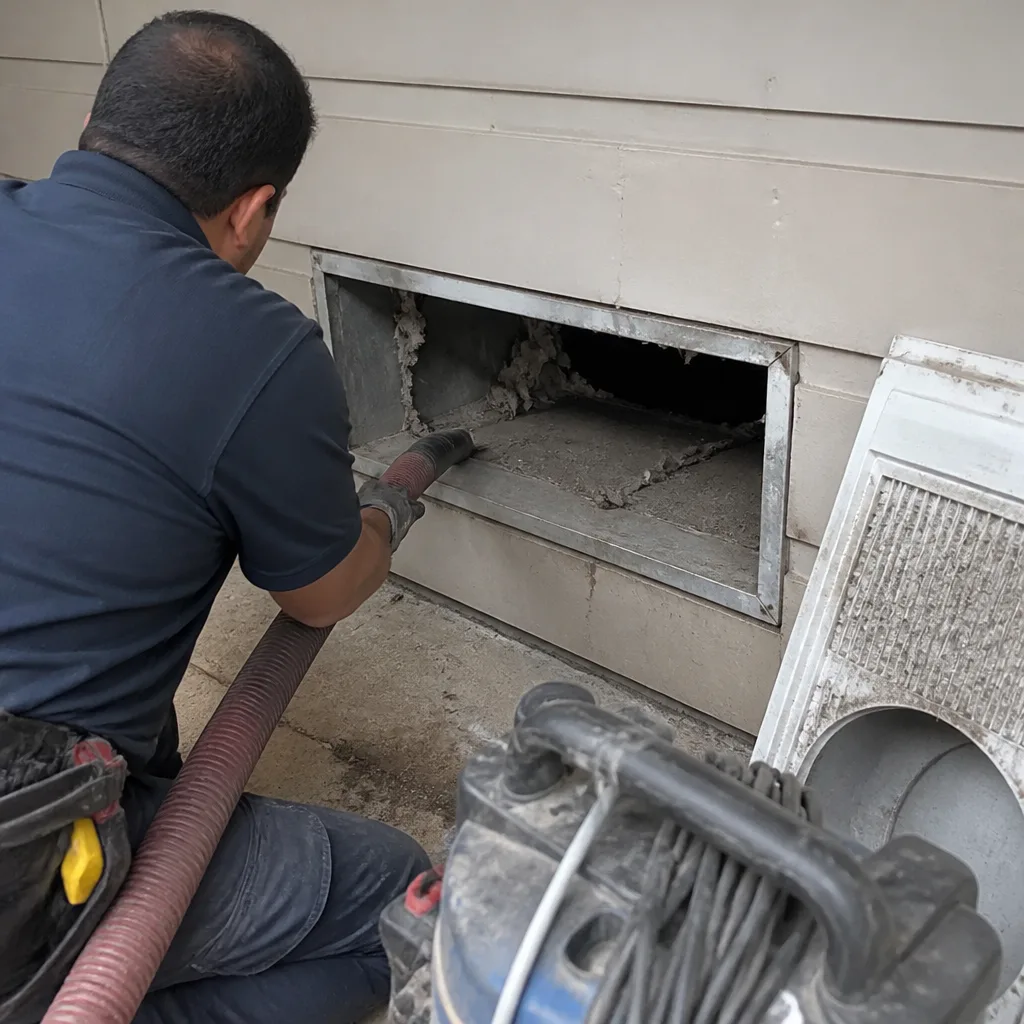 Before
 After
After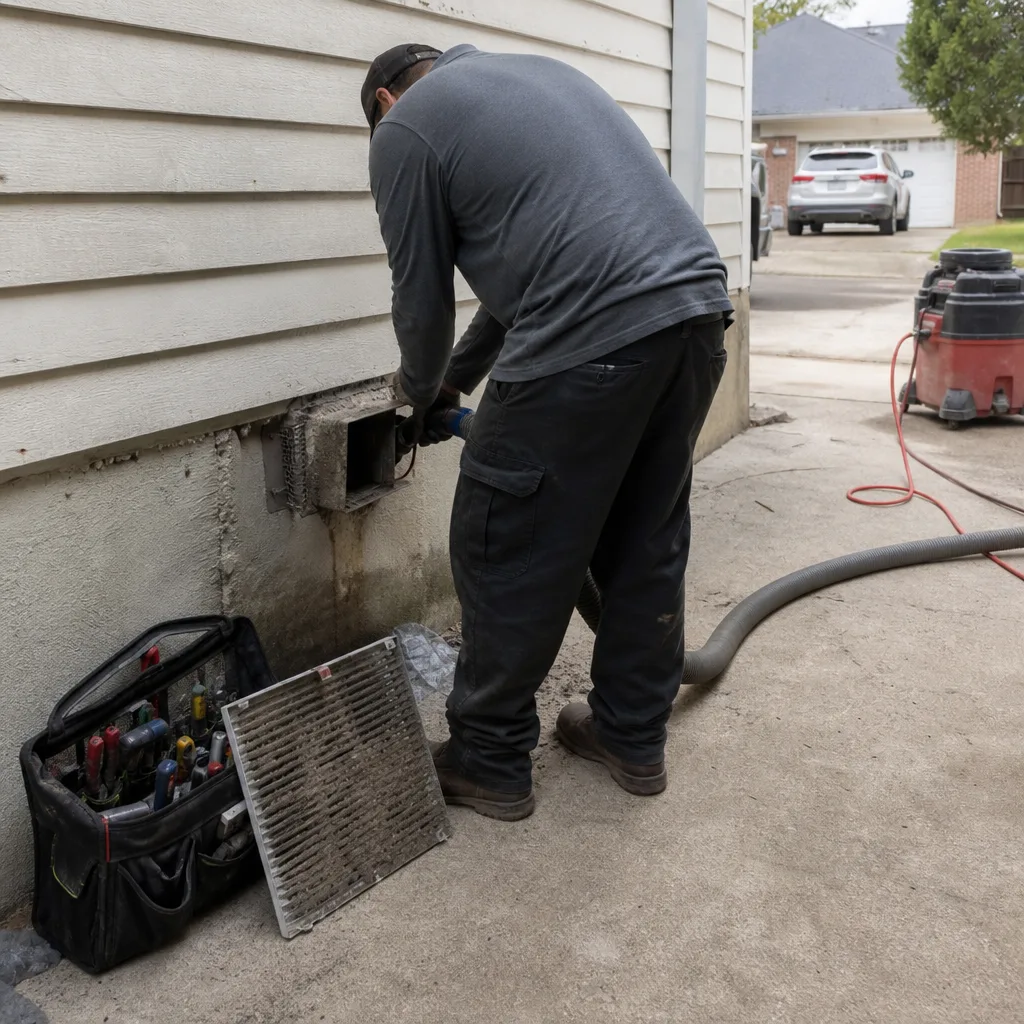 Before
 After
After